Gemstone Guides · Guide
The Spiritual Meaning of a Heart-Shaped Necklace
What a heart-shaped necklace has meant across cultures, why people wear one close to the throat and chest, and how to choose one with intention.
By Robert Anthony · · 7 min read
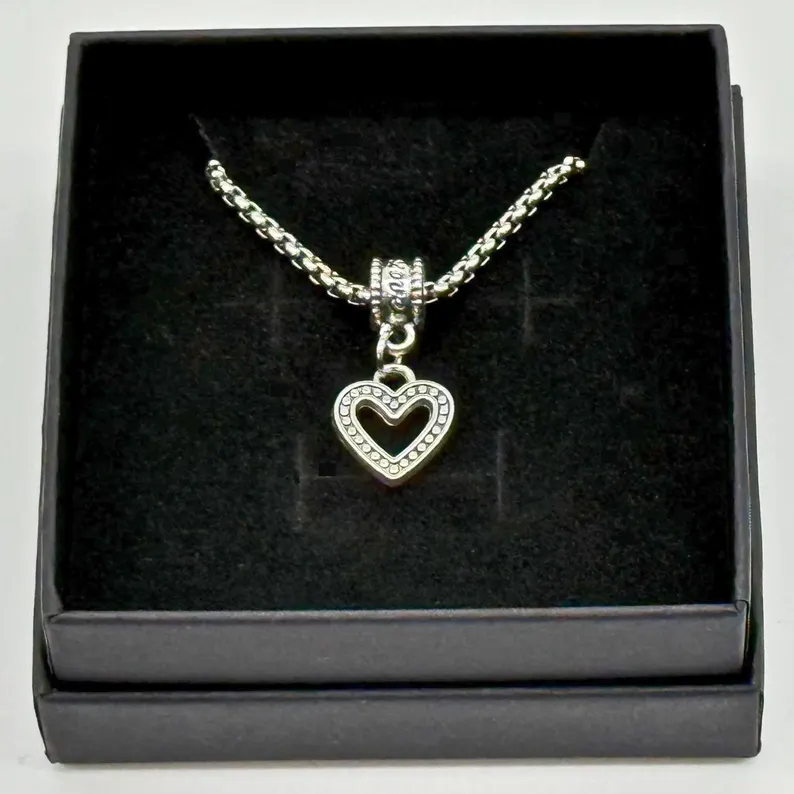
A heart-shaped necklace is one of the few pieces of jewelry that says something before anyone asks about it. It is worn high on the body, over the sternum, in the place cultures have marked for centuries as the seat of feeling. That placement is not decoration — it is the whole point.
This is a look at what the heart pendant has actually meant across history and belief, why people reach for one during specific seasons of life, and how to choose one with intention rather than impulse.
Where the shape comes from
The stylized heart — two lobes and a point — does not resemble the organ, and never did. It appears in European manuscripts and playing cards in the 13th and 14th centuries, already standing for love, loyalty, and devotion long before anatomy was widely taught. The history of the heart symbol traces that lineage in detail.
Because the shape is that old, it has stopped belonging to any single era. A heart pendant does not read as dated. It reads as continuous — the same message people have been sending each other in metal and stone for eight hundred years.
Why it is worn at the throat and chest
Across traditions, the upper chest is treated as a threshold. In many contemplative practices it is where breath, voice, and feeling meet. Protective pendants have historically been hung there for exactly that reason — close enough to feel, visible enough to declare.
Amulets worn at the chest appear in nearly every culture that made jewelry at all. The heart pendant is a softened descendant of that habit: less about warding something off, more about keeping something near.
What people mean when they wear one
- Remembrance. By far the most common reason people give. A heart worn for someone who died, or for a relationship that shaped them.
- Commitment. Given between partners, or worn by someone who has made a promise to themselves.
- Self-compassion. Increasingly common — worn as a daily reminder to be gentler with oneself during a hard stretch.
- Protection of feeling. Some traditions read a stone heart as guarding the wearer's emotional life, not just symbolizing it.
- Openness. The inverse reading: a declaration that the wearer is willing to be moved by things.
None of that requires believing anything supernatural. Objects hold meaning because we assign it and then repeat the gesture daily. That is the same mechanism behind all symbolic jewelry.
How the material changes the meaning
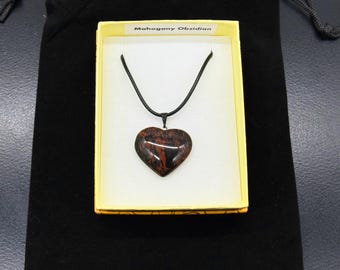
A heart in metal and a heart in stone are read differently, even at the same size. Metal reads as made — a deliberate object, often given. Stone reads as found — something that existed before the sentiment attached to it. Neither is better; they simply carry different weight.
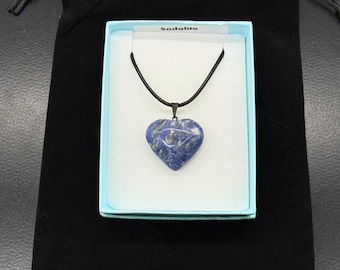
- Sodalite — deep blue with white veining. Traditionally tied to honesty and clear speech. A heart for steady, plainly-spoken love.
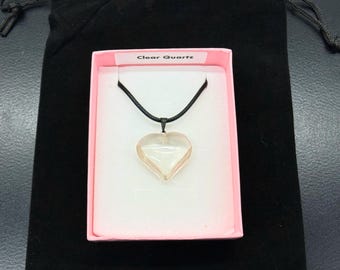
- Clear quartz — transparent, light-catching. Read as clarity and a clean slate; the most neutral heart you can wear.
- Mahogany obsidian — volcanic glass streaked red-brown. Grounding and protective, warmer than pure black obsidian.
- Amethyst — purple, calming. Worn traditionally for peace of mind during unsettled seasons.
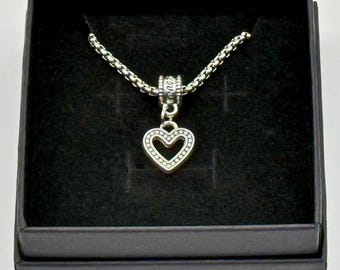
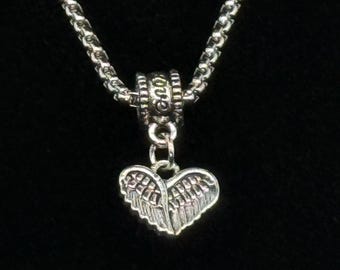
- Silver and gold-tone charms — the classic gift heart. Reads as a message from one person to another rather than a personal talisman.
Giving one with intention
A heart necklace given without a word attached still lands, but it lands better with one. A short note naming why you chose that stone or that shape turns a pretty object into something the person keeps for decades.
- Pick the material first, the metal second. The stone carries the message; the chain just holds it.
- Match the weight to the wearer. Someone who never takes jewelry off wants a hard stone and a secure bail.
- Say the reason out loud. Even one sentence. The story becomes part of the object.
- Keep the setting quiet. A heart on a simple cord or fine chain reads adult; a heart on a heavy novelty chain reads costume.
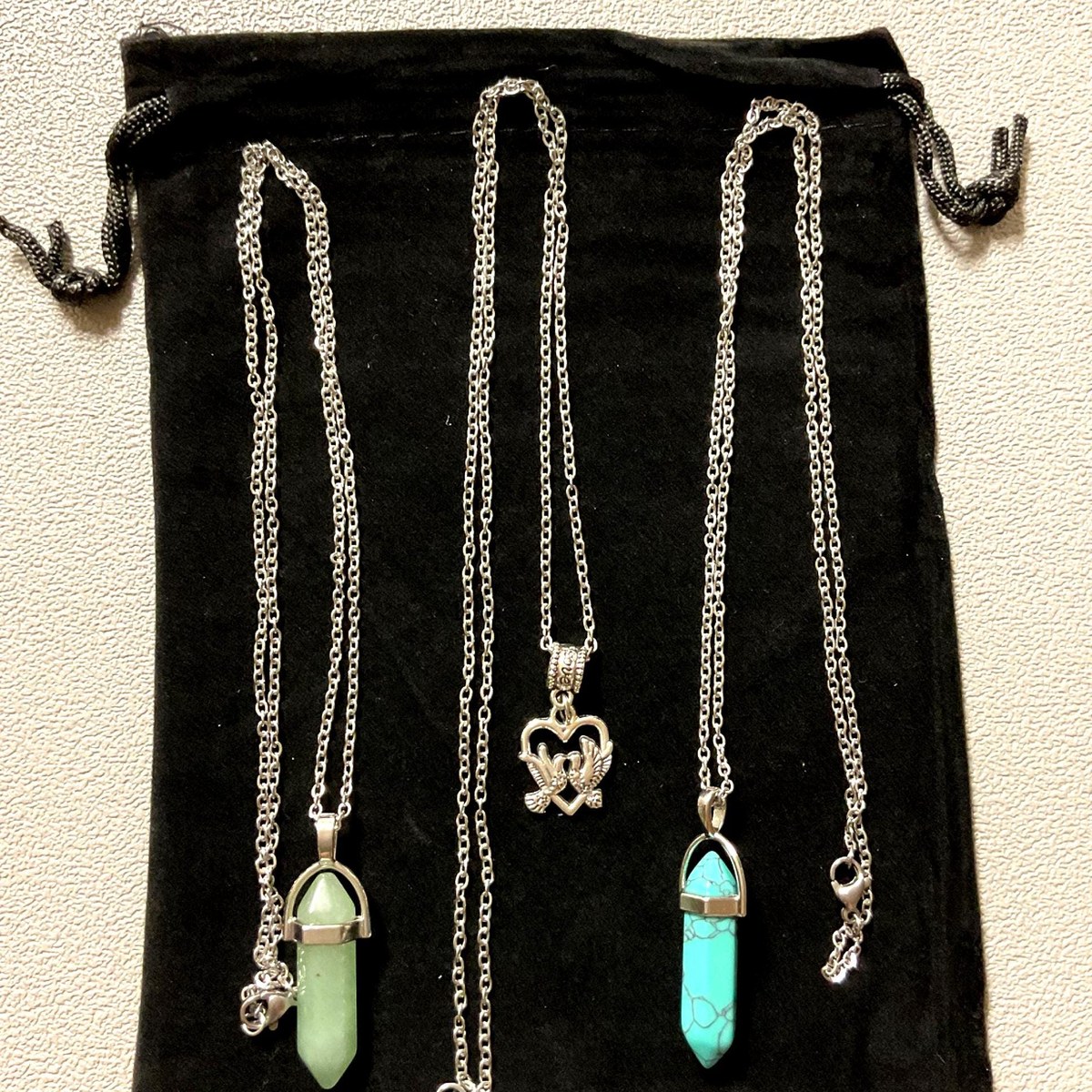
Living with a heart pendant
The carved point at the bottom and the two lobes at the top are where damage starts. Take it off before sleep and showers, store it in its own pouch rather than a shared tray, and wipe it with a dry cloth after wearing. Cord fatigue, not stone failure, is what usually ends a heart necklace.
The full routine is in our natural stone jewelry care guide, and the cut-quality side is covered in the heart-shaped pendant guide.
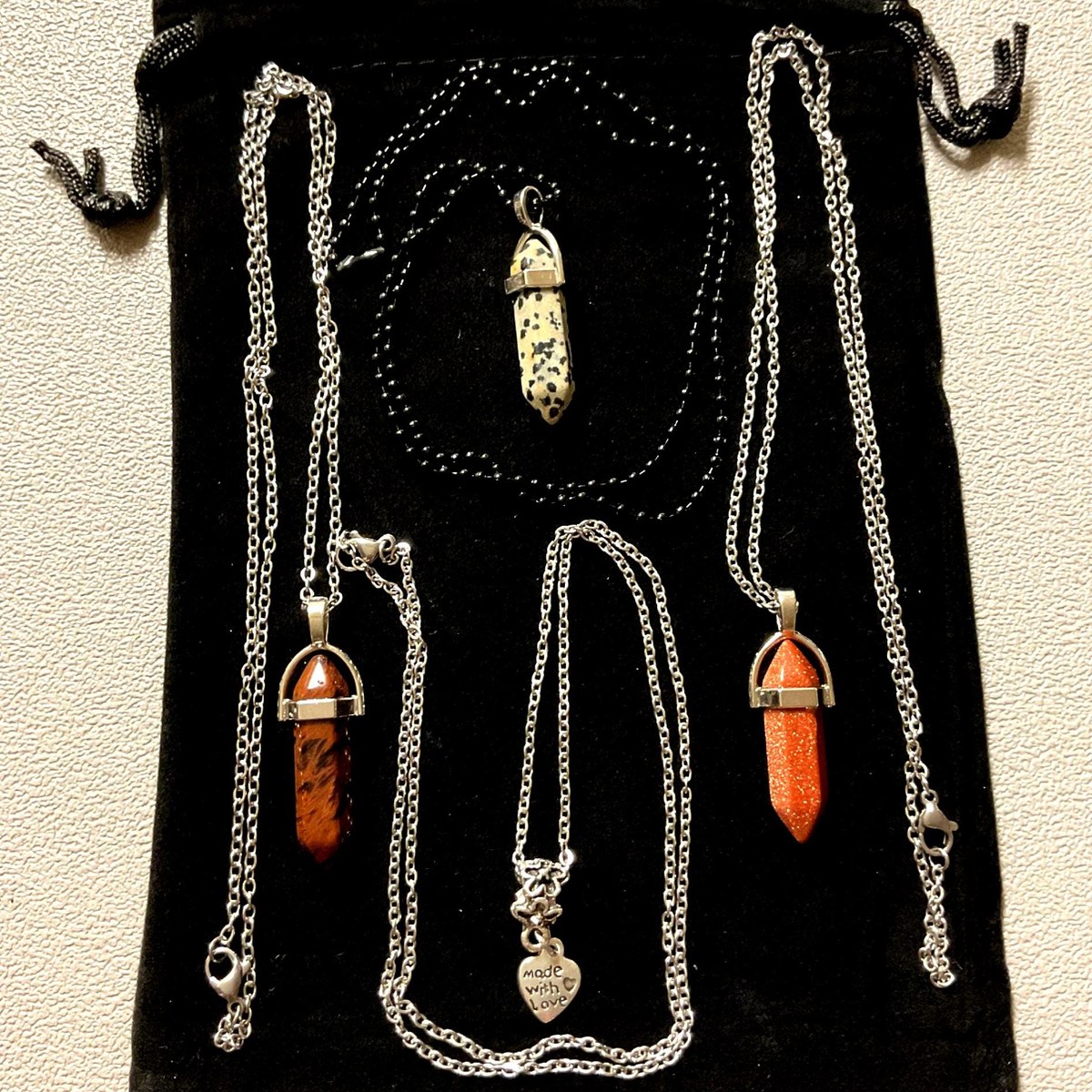
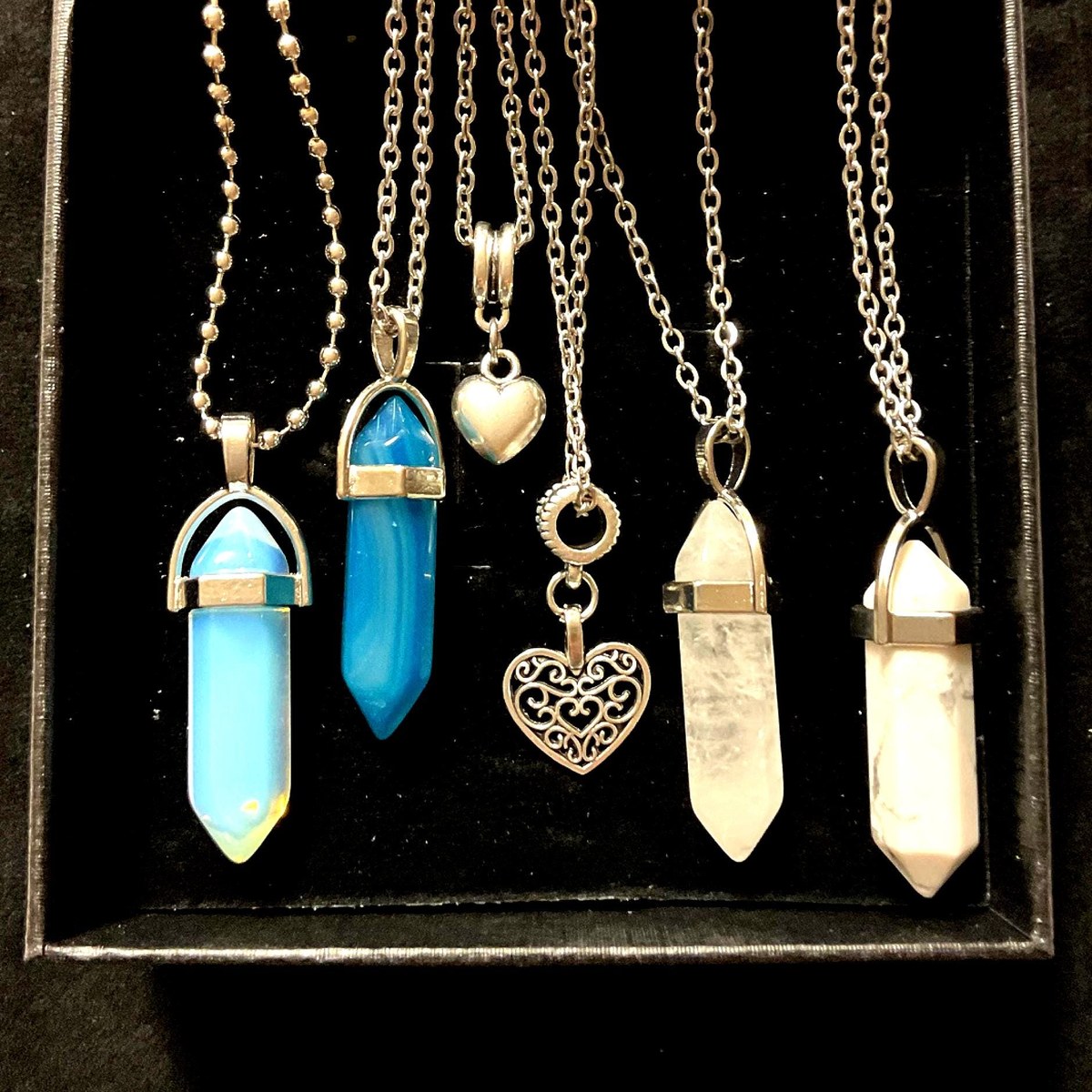
If you want one of your own
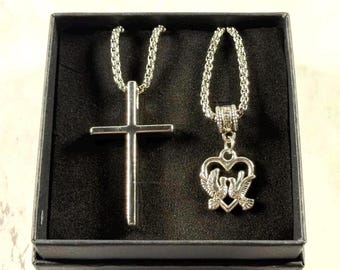
Every heart pictured above is a piece we hand-select, cord-string, and box in our home studio in Vacaville, California. The stone hearts — sodalite, clear quartz, mahogany obsidian — are single pendants at $20 each. The charm hearts and multi-piece gift sets run from $25 up to $100 for the three-piece crystal set. Each one ships in a gift box, ready to give.
Browse the heart and charm necklaces, or reach out if you want a custom setting — including a stone you found yourself. That is one of our favorite requests.
Featured pieces
From the studio
Hand-strung and finished in-studio. Every piece from our shop can be restrung or re-set at cost — just reach out.
Keep reading
Gemstone Guides
Heart-Shaped Stone Pendants: The Quiet Symbolism of a Carved Stone Heart
Why the heart shape endures in stone jewelry — its history, symbolism, how different stones change the meaning, and how to choose one.
Gifting
The Sodalite Heart Pendant: A Quiet Symbol of Calm Thinking
Why a sodalite heart makes a considered gift — the stone's meaning, the shape's history, and how to wear it every day.
Styling & Wearing
Symbolism in Everyday Jewelry: Peace, Crosses, Hearts, and What They Carry
A grounded look at the most-worn symbols in handmade jewelry — where they come from, how meaning shifted, and how to wear one without overexplaining it.