
Stone Care & Cleaning · Guide
How to Care for Natural Stone Jewelry: A Complete Guide
Clean, store, and protect natural stone jewelry — from amethyst to obsidian — with a jeweler-tested care guide built to last.
By Robert Anthony · · 8 min read
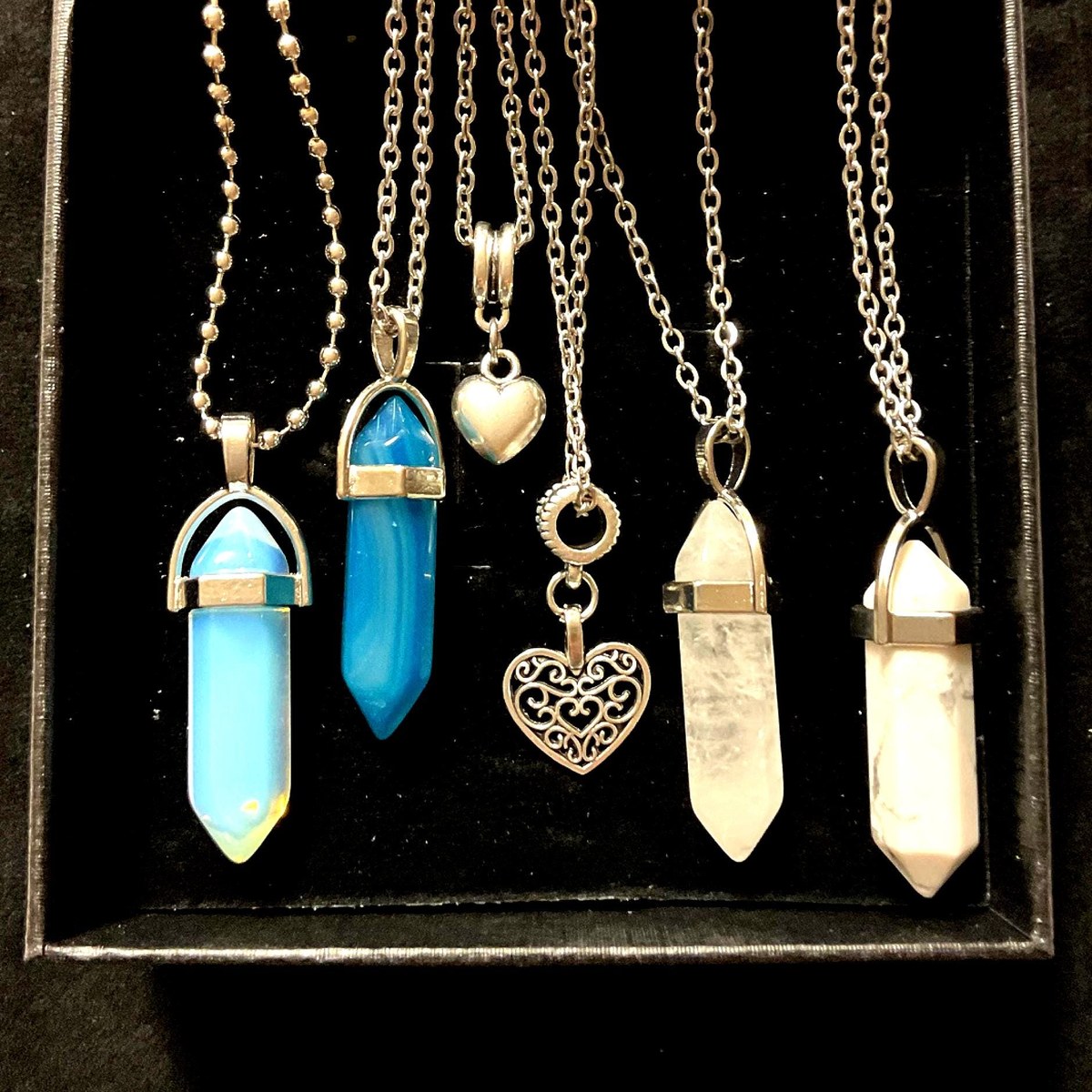
Natural stone jewelry is remarkably durable, but every stone — amethyst, opalite, mahogany obsidian, tiger's eye — has its own hardness, porosity, and personality. Treat them well and a pendant becomes a piece you wear for decades. Ignore the fundamentals and even the toughest gemstone dulls, chips, or loosens long before its time.
This is the same routine we recommend to every customer who picks up a hand-strung necklace from the studio. It works for heirloom stones and everyday pieces alike.
Why natural stones need different care than metal jewelry
Unlike solid gold or sterling silver, gemstones are crystalline — often porous, sometimes soft, and sensitive to pH and temperature. On the Mohs hardness scale, common jewelry stones range from opalite around 5.5 to amethyst at 7. Anything below 7 will scratch against everyday grit.
- Chemical exposure — perfume, lotion, chlorine, and cleaners cloud porous stones like turquoise and moonstone.
- Physical abrasion — stones stored loose scratch each other; softer stones lose polish first.
- Thermal shock — hot-then-cold water, or a sunlit car, can fracture stones from the inside.
The daily routine
- Put jewelry on last, take it off first. Perfume and product should be absorbed first.
- Wipe stones after wearing. A lint-free microfiber cloth removes skin oils before they etch the surface.
- Never sleep in it. Cords fatigue and clasps bend against pillows.
- Remove before water. Especially chlorinated pools and salt water.
- Store each piece separately in a soft pouch or lined tray.
How to clean natural stone jewelry safely
For most pieces the safest cleaning method is also the simplest. You don't need commercial cleaner, ultrasonic machines, or steam — most cause more harm than good on porous or adhesive-set stones. Our full at-home cleaning walkthrough covers each step in detail.
The gentle warm-water method
- Fill a bowl with lukewarm water and a drop of fragrance-free dish soap.
- Submerge for 30–60 seconds — never soak porous stones longer.
- Brush the setting gently with a soft-bristle toothbrush.
- Rinse under a slow stream of lukewarm water.
- Pat dry and lay flat for at least two hours before storing.
Skip water entirely for these
- Turquoise, malachite, lapis lazuli
- Opal and opalite
- Pearls, coral, amber
- Any glued or resin-set piece
Storing natural stone jewelry
Where you store a piece matters more than how you clean it. See our full storage guide for setup — the short version is cool, dark, dry, and separated.
Stone-by-stone quick reference
- Amethyst (Mohs 7) — durable, fades in direct sunlight.
- Opalite (Mohs 5.5) — dry cloth only; see opalite vs. moonstone.
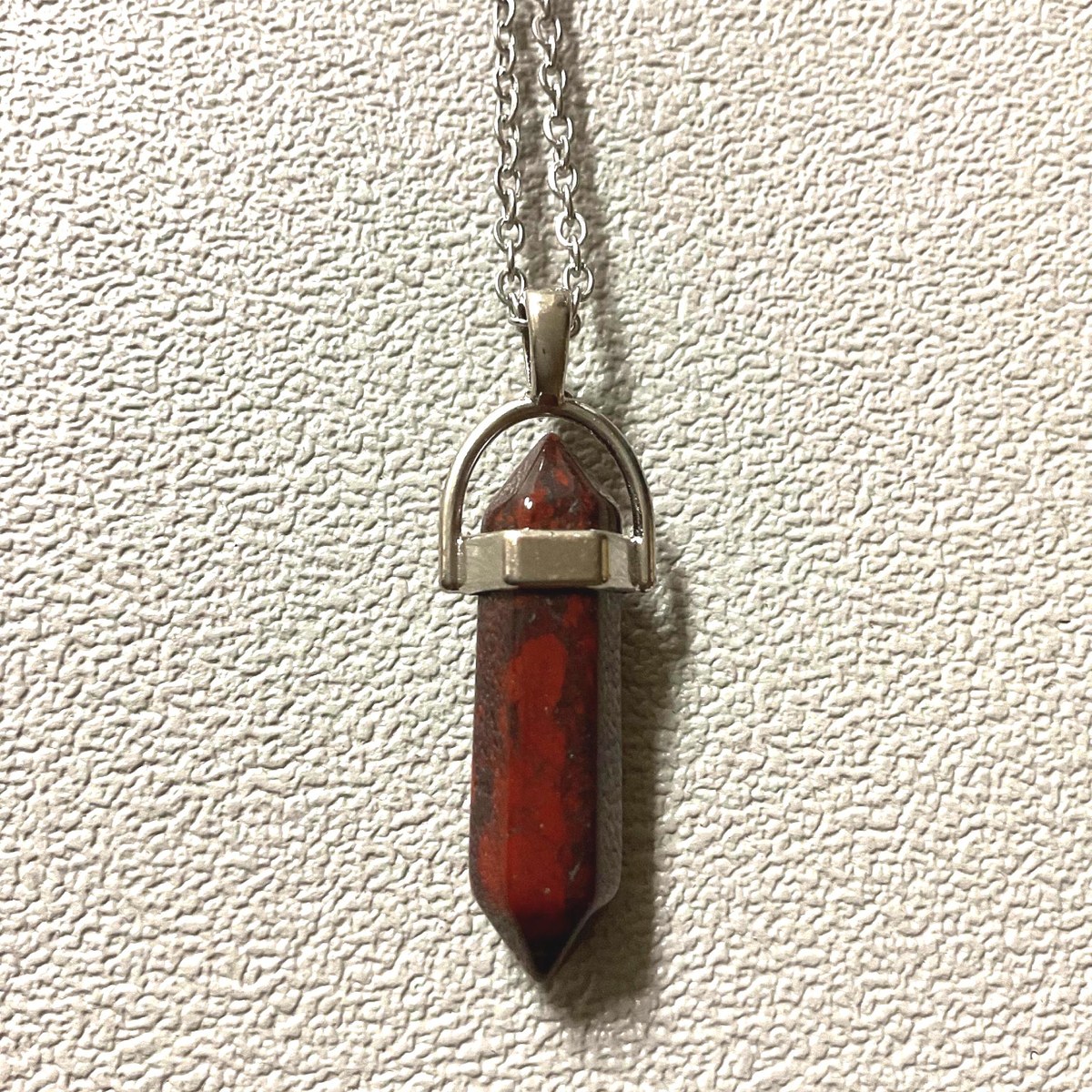
- Mahogany obsidian (Mohs 5–6) — glossy, chips if dropped.
- Tiger's eye (Mohs 6.5–7) — tolerates gentle water.
- Rose quartz (Mohs 7) — fades in UV.
Featured pieces
From the studio
Hand-strung and finished in-studio. Every piece from our shop can be restrung or re-set at cost — just reach out.

Keep reading
Stone Care & Cleaning
How to Clean Gemstone Necklaces at Home (Without Damaging Them)
A step-by-step home cleaning routine for gemstone necklaces — safe methods, what to avoid, and how to spot damage early.
Stone Care & Cleaning
Storing Jewelry to Prevent Tarnish and Damage
The exact storage setup we recommend for stone pendants and metal chains — humidity, light, separation, and travel.
Stone Care & Cleaning
Traveling With Fine Jewelry: A Practical Packing Guide
How to pack, protect, and wear stone jewelry while traveling — airport safe, hotel safe, and the pieces to leave home.