
Gemstone Guides · Guide
Mahogany Obsidian: A Guide to the Volcanic Glass
What mahogany obsidian is, where it forms, how it wears, and why it chips more easily than crystalline stones.
By Robert Anthony · · 5 min read
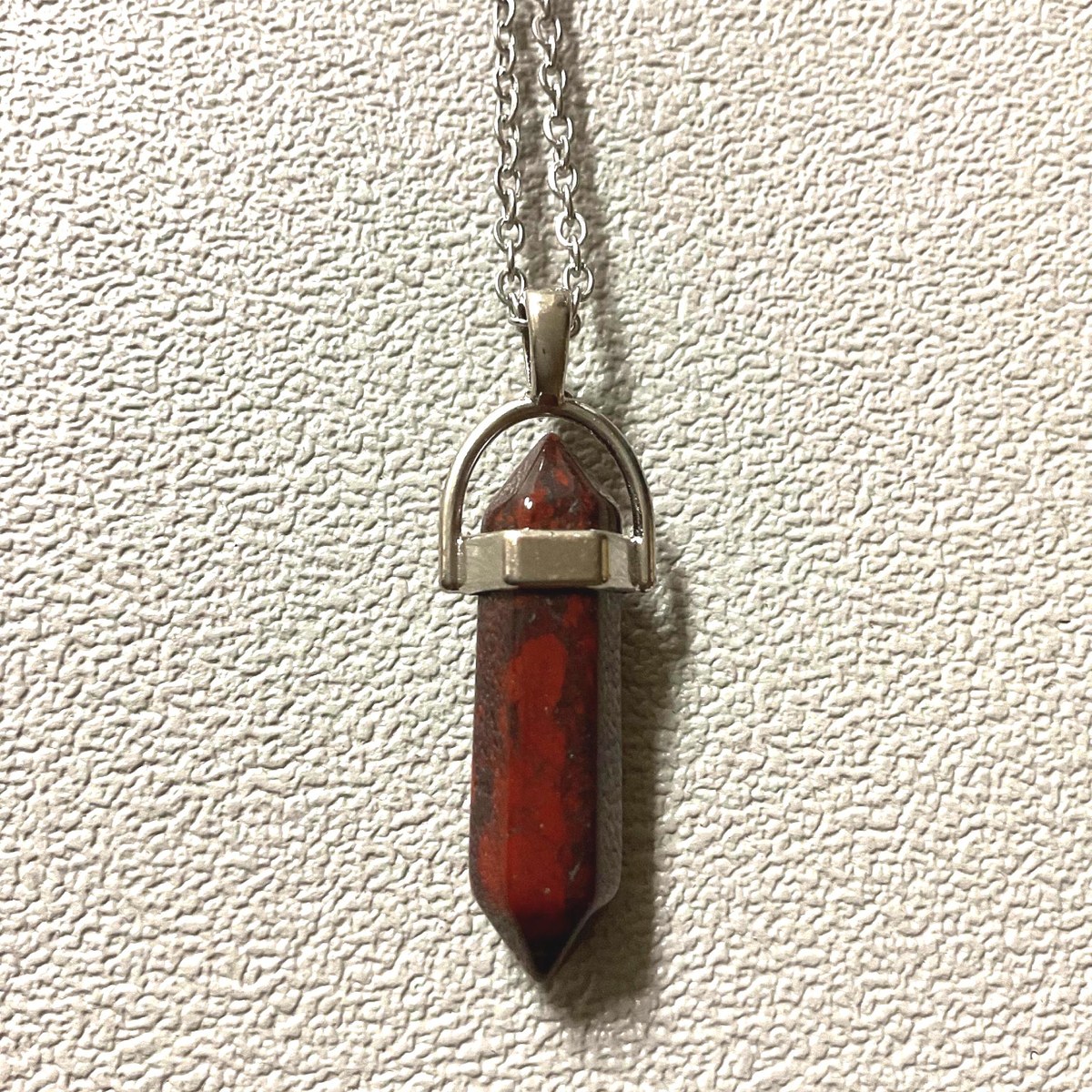
Mahogany obsidian is a natural volcanic glass, not a crystal — it forms when silica-rich lava cools too quickly for a crystal lattice to grow. Its warm reddish-brown streaks come from iron oxides swirled through the black base. Wikipedia's obsidian overview explains the geology in plain terms.
At a glance
- Type: Volcanic glass (amorphous)
- Mohs hardness: 5–6
- Color: black with rust-red mahogany banding
- Sources: western US, Mexico, Iceland, Armenia
How it wears
Because obsidian is a glass, it doesn't scratch the way crystalline stones do — it chips. A hard knock against a countertop or a dropped piece on tile can produce a conchoidal fracture (a shell-shaped flake). Ours are polished to a deep gloss and hold up to daily wear against skin and fabric, but obsidian pendants are worth taking off before physical activity.
Cleaning and storage
Obsidian is non-porous — a soft cloth or the warm-water method works. Store away from harder stones so the polished face stays glossy. Our full stone care guide covers the details.
Meaning and use
Historically, obsidian was worked into some of the earliest cutting tools — its fracture produces edges sharper than surgical steel. In modern jewelry it's associated with grounding and protection, though we sell it because the mahogany banding is genuinely beautiful and no two pieces are identical.
Pairing
Warm tones — brass, copper, warm silver, tiger's eye, jasper — all sit well with mahogany obsidian. See red jasper for a complementary earth-tone pairing.
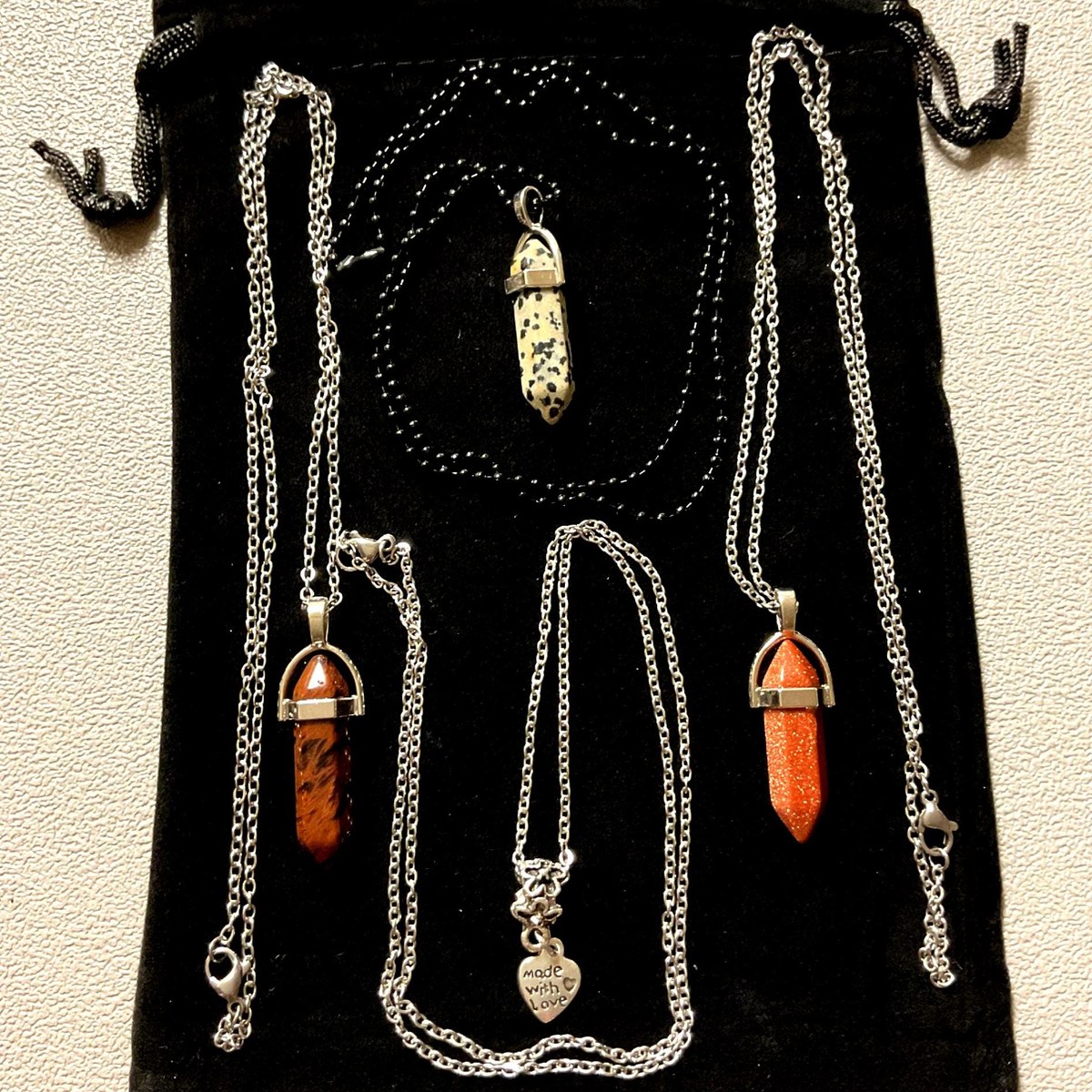
Featured pieces
From the studio
Hand-strung and finished in-studio. Every piece from our shop can be restrung or re-set at cost — just reach out.
Keep reading
Gemstone Guides
Amethyst: Meaning, Hardness, and How to Wear It
A working guide to amethyst — its history, Mohs hardness, why it fades in sunlight, and how to keep the color rich.
Gemstone Guides
Opalite vs. Moonstone: What's the Difference?
Opalite and moonstone look similar but aren't the same. A clear breakdown of what each is, how they wear, and what to expect.
Stone Care & Cleaning
How to Care for Natural Stone Jewelry: A Complete Guide
Clean, store, and protect natural stone jewelry — from amethyst to obsidian — with a jeweler-tested care guide built to last.