
Studio Notes · Guide
Why We Source Natural Stones (and How We Choose Them)
A studio note on why every stone we sell is natural, how we vet suppliers, and what that means for the pieces you wear.
By Robert Anthony · · 5 min read
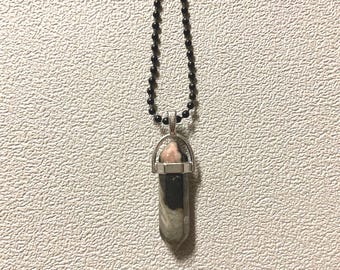
Most stones on the mass market are either heavily treated or synthetic. That's not automatically bad — an IGS overview of treatments covers the range. But it isn't what we're interested in making.
Our sourcing rules
- Named locality when possible. Country of origin, and where we can verify, the region.
- Disclosed treatments. Heat treatment on some varieties is standard and disclosed. Dye and irradiation are not what we buy.
- Consistent grade across batches. A supplier that ships beautiful stone once and mediocre stone twice loses the account.
- Manmade materials, when we use them, are labeled. Opalite is opalized glass — we say so.
Why this matters for the wearer
- Color that doesn't wash out from dye leaching
- Predictable hardness — you know how to care for it
- Real market value — a natural stone holds value across decades
See how this shows up in opalite vs. moonstone and in our full care guide.
What we don't buy
Dyed howlite sold as turquoise. Reconstituted material passed off as solid stone. Anything a supplier can't tell us the source of. Our shop is small on purpose.
Featured pieces
From the studio
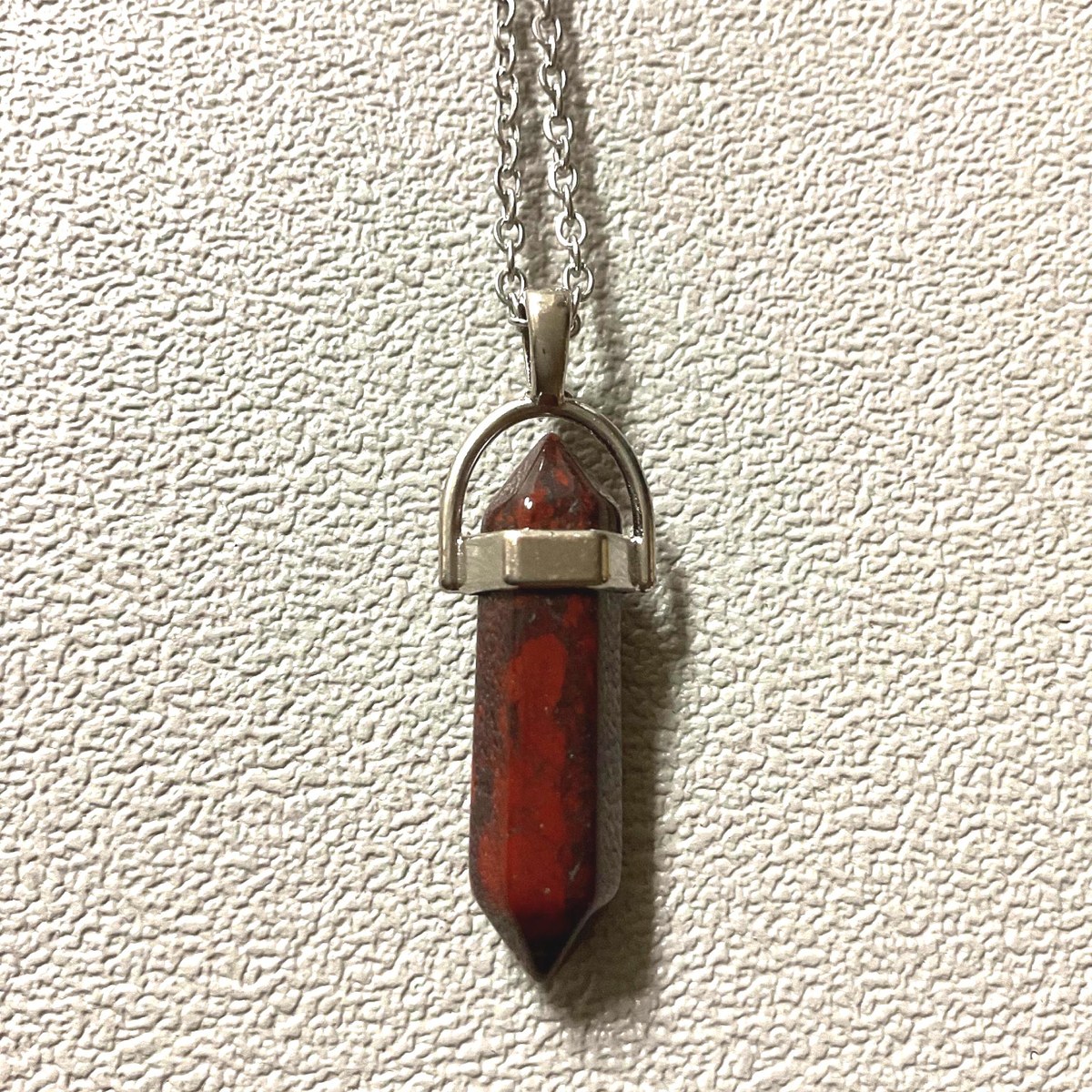
Hand-strung and finished in-studio. Every piece from our shop can be restrung or re-set at cost — just reach out.

Keep reading
Studio Notes
Handmade vs. Mass-Produced Jewelry: What Actually Differs
A practical breakdown of what changes when jewelry is made by hand — construction, materials, finishing, and longevity.
Gemstone Guides
Opalite vs. Moonstone: What's the Difference?
Opalite and moonstone look similar but aren't the same. A clear breakdown of what each is, how they wear, and what to expect.
Stone Care & Cleaning
How to Care for Natural Stone Jewelry: A Complete Guide
Clean, store, and protect natural stone jewelry — from amethyst to obsidian — with a jeweler-tested care guide built to last.