
Studio Notes · Guide
Handmade vs. Mass-Produced Jewelry: What Actually Differs
A practical breakdown of what changes when jewelry is made by hand — construction, materials, finishing, and longevity.
By Robert Anthony · · 6 min read
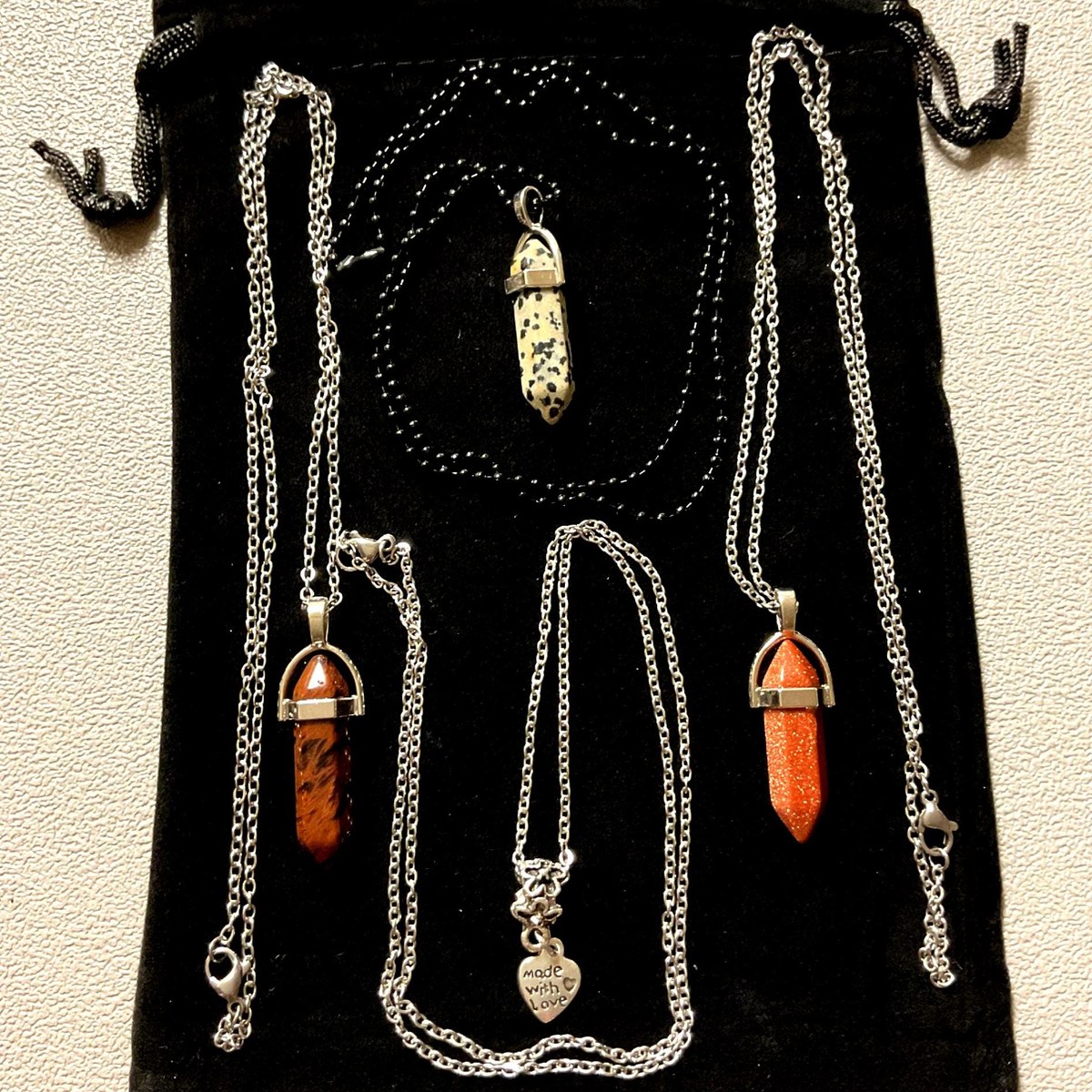
The word 'handmade' has done a lot of marketing work over the last decade. Some of it is real, some of it is a photo of somebody's workbench. Here's what actually changes when a piece is made by hand versus produced at scale.
Construction
- Handmade: knots are finished individually; cord is sealed at each end; each clasp is set by hand.
- Mass-produced: machine-crimped, often with the crimp visible under the bail.
Material grade
Mass production optimizes for cost, not consistency. That's why big-box necklaces often mix a great center stone with mediocre findings — you notice the clasp failing before you notice the stone fading. Small-shop makers can afford consistent grade because volume is lower. See why we source natural stones.
Finishing
- Bail alignment straight, not tilted
- Cord ends sealed cleanly — no melted plastic bulge
- Chain links closed flush, not gapped
Longevity
A well-made piece can be restrung, re-clasped, and re-set indefinitely. A mass-produced piece is often assembled in a way that makes repair uneconomical — the labor to redo it costs more than a new one. That's a design choice, not an accident.
What to look for as a buyer
- Ask how the cord is finished — a real answer is a good sign
- Check the clasp under a lamp — flush metal, not gapped
- Ask if the maker will restring or re-set the piece years later
Well-made handmade jewelry is built to last — and, when the time comes, to be repaired or restrung by a trusted local jeweler.
Featured pieces
From the studio
Hand-strung and finished in-studio. Every piece from our shop can be restrung or re-set at cost — just reach out.

Keep reading
Studio Notes
Why We Source Natural Stones (and How We Choose Them)
A studio note on why every stone we sell is natural, how we vet suppliers, and what that means for the pieces you wear.
Laser Etching & Craft
What Is Laser Etching on Aluminum? A Studio Explainer
How laser etching on aluminum actually works, what the equipment does, and why it holds up longer than stamped or printed alternatives.
Styling & Wearing
Everyday vs. Occasion Jewelry: Building a Small Rotation
How to choose a capsule of jewelry you actually wear — and why a smaller rotation looks more considered than a fuller box.