Studio Notes · Guide
Packaging for Small Makers: What Actually Changes the Unboxing
A practical look at low-cost packaging decisions for handmade shops — pouches, inserts, weight, and the three details customers photograph.
By Robert Anthony · · 7 min read
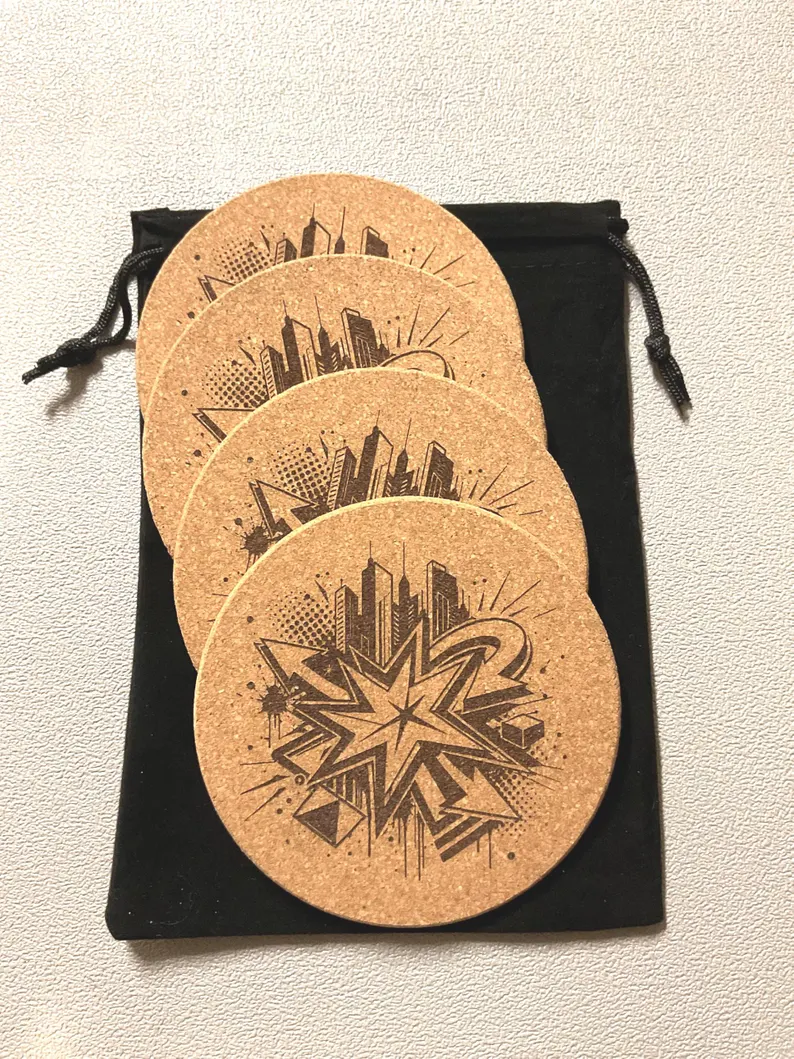
Packaging is the only part of a handmade purchase the customer experiences before the product. It is also the part most small shops overspend on in the wrong places — custom printed boxes before they have solved weight, or tissue paper before they have solved protection.
Solve weight first
Shipping price steps at specific ounces. A four-ounce package and a nine-ounce package can differ by more than the packaging cost itself. Run your actual parcel through the USPS calculator before you commit to a box style — a rigid mailer often beats a box on both protection and price.
The three details customers photograph
- A reusable container. A velvet pouch gets kept. A poly bag gets binned. That is the whole difference.
- A handwritten line. Not a printed thank-you card — an actual pen mark. It takes eleven seconds.
- Something that makes the piece look intentional in the frame. A card with the stone name, a care line, a date.
What to skip early
- Custom printed boxes with your logo — high minimums, low return until volume.
- Branded tape before you have repeat customers to impress.
- Excessive filler. Buyers notice waste now, and it costs you postage.
Protection rules that hold up
Rigid items need edge protection, not surface padding. Flat items need a stiffener. Anything with a chain needs to be immobilized or it arrives tangled — a slit in a card and two loops through it solves that for a fraction of a cent.
Free resources
- USPS Postage Price Calculator — model real costs before buying supplies.
- Sustainable Packaging Coalition — free guidance on recyclable and compostable material choices.
- Canva — free templates for insert cards and thank-you notes.
- Our gallery — packaging and product photos free to use with attribution.
We pack everything by hand in Vacaville, California. See what that looks like in the shop.
Featured pieces
From the studio
Hand-strung and finished in-studio. Every piece from our shop can be restrung or re-set at cost — just reach out.
 Etsy
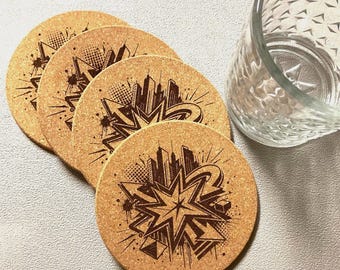
EtsyCityscape Cork Coasters (Set of 4) — Laser Etched — Gift Bag Included
$14.00View on Etsy →
 Etsy
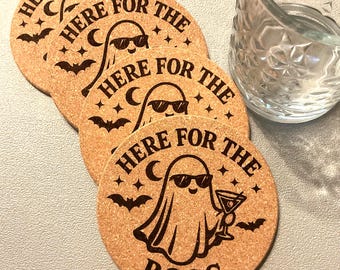
EtsyHalloween “Here for the Boos” Cork Coasters (Set of 4) — Laser Etched — Gift Bag Included
$14.00View on Etsy →
 Etsy
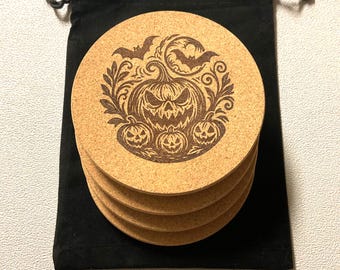
EtsySpooky Pumpkin Halloween Cork Coasters (Set of 4) — Laser Etched — Gift Bag Included
$16.00View on Etsy →
Keep reading
Studio Notes
A Beginner's Guide to Starting an Etsy Shop for Handmade Sellers
Open an Etsy shop from scratch: naming, listings, photos, shipping, taxes, and the first 90 days — built for makers, artists, and small shops.
Studio Notes
Where to Sell Handmade Goods: Online Platforms, Farmers Markets, and Pop-Ups
A maker's guide to selling: what each online marketplace really costs, how farmers markets and craft fairs work, and how to land a pop-up or wholesale spot.
Studio Notes
Handmade vs. Mass-Produced Jewelry: What Actually Differs
A practical breakdown of what changes when jewelry is made by hand — construction, materials, finishing, and longevity.