Studio Notes · Guide
Where to Sell Handmade Goods: Online Platforms, Farmers Markets, and Pop-Ups
A maker's guide to selling: what each online marketplace really costs, how farmers markets and craft fairs work, and how to land a pop-up or wholesale spot.
By Robert Anthony · · 12 min read
Making the thing is half the work. Finding people willing to pay for it is the other half, and it is the half almost no tutorial covers honestly. There is no single best place to sell handmade goods — there is a mix, and the right mix depends on what you make, how much of it you can produce, and whether you like talking to strangers.
This is a plain accounting of the options: what each online platform actually charges, how in-person selling really works, and how to get into markets and pop-ups that do not advertise openly.
Online marketplaces
Marketplaces bring you traffic you did not earn. That is the entire value, and the fees are the price of it. Verify current rates before you commit — every platform changes them.
- Etsy — still the default for handmade. Roughly a $0.20 listing fee, a 6.5% transaction fee, plus payment processing, and optional off-site ads fees on some accounts. You get real buyer intent: people arrive already searching for handmade. You do not get much control, and you compete against mass-produced imports. Best for: jewelry, personalized goods, giftable items under $75.
- Shopify — your own store, monthly subscription, no marketplace commission. Total control over brand and customer data, and zero built-in traffic. Best once you have an audience to send somewhere.
- Square Online — free tier, and it syncs with the same Square reader you use at markets, so inventory and sales live in one place. The most underrated option for people who sell both in person and online.
- Faire — wholesale marketplace where retail shops find makers. Commission on first orders, lower on repeats. This is how you get into boutiques nationwide without cold-calling.
- Specialty marketplaces — narrower audiences, less competition: Amazon Handmade (no listing fees, referral fee, invite-based), eBay (strong for vintage and collectibles), Bonanza, Zibbet, and Folksy or Etsy alternatives regionally.
- Social commerce — TikTok Shop, Instagram Shopping, Facebook Marketplace, and Pinterest product pins. Fees are low, discovery is high, and the work is content, not listings. If you enjoy making video, this outperforms everything else per dollar spent.
One honest note: do not build on one platform alone. Accounts get suspended, algorithms change, and fee structures move. Keep an email list from day one — it is the only audience you own.
Farmers markets
Farmers markets are the most reliable weekly income for a small maker, and the most underestimated. Foot traffic is already there, people arrive expecting to spend, and a booth fee is usually $25–$75 per day.
Find them through the USDA Local Food Directory, which lists thousands of markets nationwide with contact details. In California, the CDFA certified farmers market program publishes the official list and the rules that govern them.
What you need to know before applying
- Most markets cap non-food vendors. Craft and artisan slots are limited and often waitlisted. Apply early, apply to several, and ask to be on the substitute list — no-shows happen every week and subs get promoted first.
- Certified markets have rules about who sells what. Handmade non-food goods usually fall under a separate 'artisan' or 'community' vendor category with its own application.
- You will likely need a seller's permit and to collect sales tax. In California that is a free permit from the CDTFA, and temporary event sellers have a specific process.
- Insurance is commonly required. Most markets ask for $1M general liability. Vendor policies run about $200–$400 a year through providers like ACT, FLIP, or Veracity.
- Bring a real setup. A 10x10 canopy with weights (wind is not negotiable — many markets require 25lb per leg), a table, a cloth, vertical display, a card reader, and a cash box with change.
Craft fairs, holiday markets, and art walks
Different animal from a farmers market: higher booth fees ($75–$500+), much higher foot traffic, and buyers in gift-shopping mode. Holiday markets in November and December can produce a third of a small maker's annual revenue in six weekends.
- Juried art fairs — you submit photos and are selected on quality. Higher fees, better crowds, and being juried in is a credibility marker you can put on your About page.
- Church, school, and community center bazaars — cheap tables, warm crowds, and almost no application friction. Great for a first event.
- Downtown art walks and First Fridays — often free or nearly free to join, run by a downtown business association or local arts council.
- Renaissance fairs, comic cons, music festivals, and county fairs — niche audiences that pay well when your work fits the theme.
- Night markets and maker markets — newer format, younger crowd, strong for apparel, stickers, and lower price points.
Find them through your city's chamber of commerce, county fair board, the local arts agency directory, Facebook vendor groups (search "[your county] vendors" — this is where most events are actually posted), Eventbrite, and sites like Festivalnet and ZAPPlication for juried shows.
Pop-ups and shared retail
A pop-up puts your work in a retail space temporarily. It is the bridge between a booth and a storefront, and most of these opportunities are never advertised — you get them by asking.
- Coffee shops, breweries, wine bars, and salons — email or walk in with samples. Many will host a weekend table for free because it draws people in. This is the single highest-return cold ask a maker can make.
- Vacant storefront programs — many downtown associations and economic development offices place makers in empty retail spaces at reduced or zero rent to keep streets active. Call your city's economic development office and ask directly.
- Consignment corners in existing shops — a boutique takes 30–50% and handles the selling. Slower money, but continuous exposure with no time spent behind a table.
- Artist collectives and co-op shops — members share rent and staffing shifts. Typically $50–$200 a month plus a few hours of floor time.
- Corporate and office pop-ups — HR departments book makers for employee appreciation days and holiday gift markets. Well paid, low competition, and almost nobody asks.
- Wholesale to local retailers — a line sheet, consistent pricing, and a reorder process. This is where volume lives once your production can support it.
Pricing and the money side
Selling in person exposes pricing mistakes fast. The standard starting formula is (materials + labor at a real hourly rate + overhead) x 2 for wholesale, x 4 for retail. If that number scares you, the problem is usually labor time, not the market.
- Have a range of price points at every event. A $12 impulse item pays for the booth; the $85 piece is the profit.
- Take cards. Square, SumUp, and Stripe readers cost under $60 and roughly 2.6–2.9% per swipe. Cash-only booths lose real sales every hour.
- Understand the hobby versus business distinction for taxes — it determines what you can deduct.
- If you label anything as handmade or made in the USA, the FTC's standard is specific about what those claims require.
- Track cost per event: booth fee, gas, materials, and hours. Some events are worth doing at break-even for exposure. Most are not — the data tells you which.
Free help nobody uses
The SBA Learning Platform and SCORE run free courses and one-on-one mentoring on pricing, licensing, and sales channels. Small Business Development Centers offer free advising in every state and will review your booth economics with you. Your local library often has free business databases and market research tools. None of this costs anything, and almost no maker takes advantage of it. If you are in California, we also mapped out which grant and funding programs are actually open.
How we do it
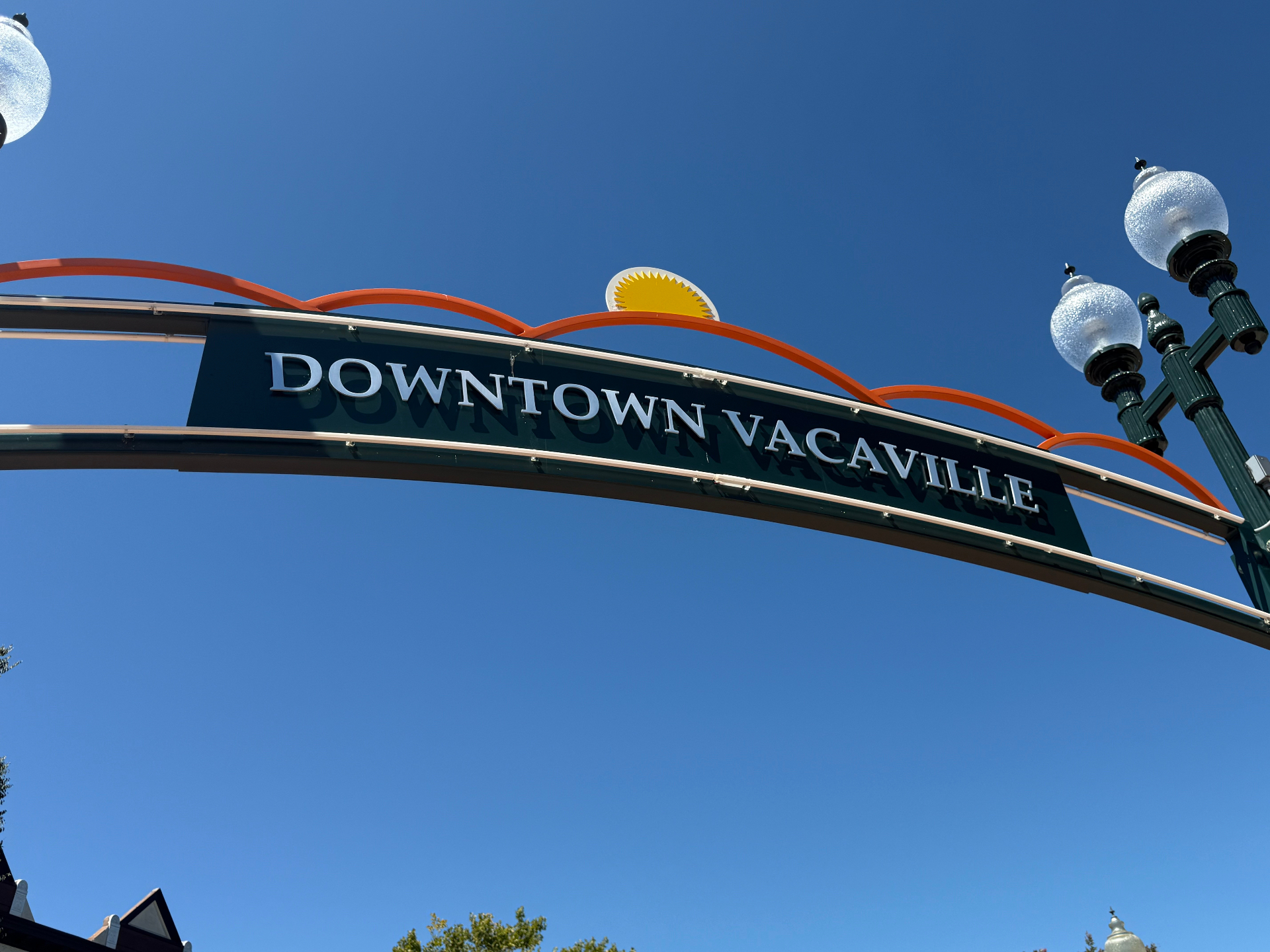
Our studio sells primarily through Etsy, which handles nationwide orders, and we offer local pickup and delivery around Vacaville and Solano County — that flexibility is worth more than most makers assume, and we made the full case for it in why small shops should offer delivery. If you are local and want to see what regional markets look like, we listed them in the Vacaville craft fairs and handmade markets guide.
The honest advice: pick one online channel and one in-person channel, do both for six months, and let the numbers tell you where to expand. You will learn more from one Saturday behind a table than from a month of reading. If you have been putting it off, that is exactly what why creators should not wait to start is about. To see what we make, browse the shop or our custom etching services.
Keep reading
Studio Notes
Local Markets and Craft Fairs Near Vacaville for Handmade Goods
Find handmade jewelry, custom gifts, and local art at farmers markets, holiday strolls, and craft fairs near Vacaville, Fairfield, and Suisun City.
Studio Notes
Why Small Shops Should Offer Delivery and Stay Flexible With Customers
Delivery, flexible policies, and treating the customer well aren't just for giants like Amazon. Here's how small shops win by doing the same — with sources.
Studio Notes
Grants for Small Creative Businesses in California: Where to Actually Look
Which California grant and funding programs for makers and small shops are actually open, which have closed, and the official sources that stay current.
Studio Notes
Why Creators Shouldn't Wait to Start Their Art
The best time to make art is before you feel ready. Why waiting costs more than beginning, and free tools, references, and communities to start with today.