Gemstone Guides · Guide
How to Find a Good Deal at Your Local Jewelry Store (and Know What You're Buying)
A buyer's guide to jewelry store pricing, gemstone grading, metal stamps, and treatments — how to spot real value and avoid paying for markup instead of material.
By Robert Anthony · · 13 min read
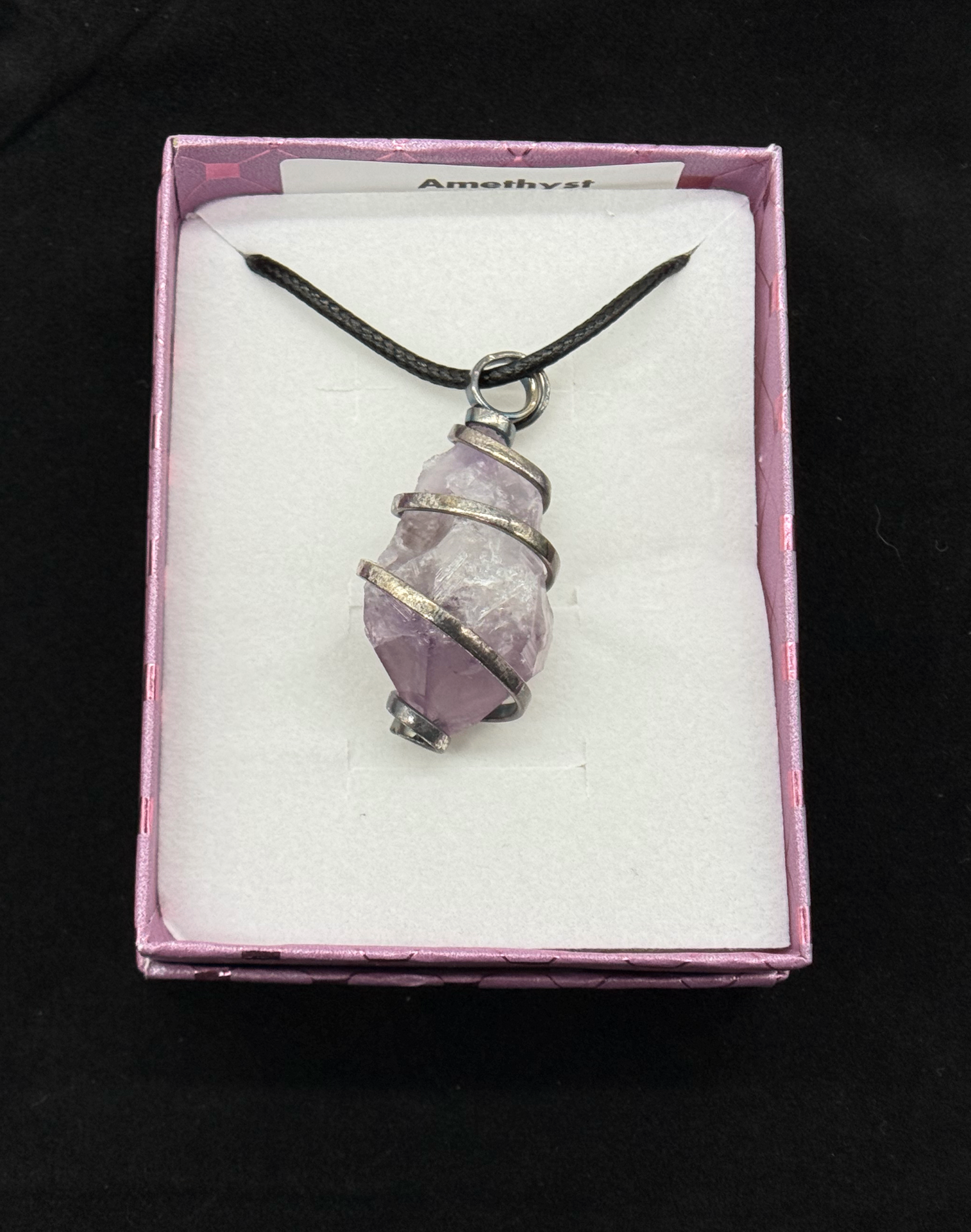
Jewelry is one of the few things most people buy without knowing how it is priced. A case of pendants can range from a 20% markup to a 900% markup with no visible difference at the counter. The good news is that almost everything you need to evaluate a piece is stamped on it, printed on the tag, or answerable by one direct question.
This is a practical guide to walking into a local jewelry store and leaving with something worth what you paid — plus a plain-language breakdown of what gemstones, metals, and settings actually are.
Where the price actually comes from
A retail jewelry price is roughly: material cost, labor, overhead (the case, the lease, the insurance, the staff), and markup. Traditional jewelry retail runs a keystone markup or higher — meaning the retail tag is often two to five times the wholesale cost. Chain stores sit at the high end because of mall rent and national advertising. Independent stores and working studios sit lower because their overhead is smaller.
That is the core insight: you are frequently paying for the room, not the rock. A pendant with the same stone, same silver, and better hand-finishing can cost a third as much from a working bench jeweler as it does from a mall case.
How big is the markup, really? Look at the filings
You do not have to take a jeweler's word for this. Publicly traded jewelry companies disclose gross margin in their annual reports, and gross margin is markup expressed from the other direction: it is the share of the retail price left after the cost of the goods themselves.
- Pandora A/S — the world's largest jewelry maker by volume reports gross margin around 80% in its annual reports. At 80% gross margin, roughly $20 of a $100 charm is the silver, stone, and manufacturing labor combined. The remaining $80 covers stores, marketing, distribution, and profit — a markup of about 5x cost.
- Signet Jewelers (Kay, Zales, Jared) reports gross margin in the high-30s to low-40s percent range in its SEC annual filings. Lower than Pandora because diamond cost dominates, but their own filings note that heavy discounting is baked into the model — the "sale" price is the plan, not the exception.
- Richemont (Cartier, Van Cleef & Arpels) reports gross margin above 65% across its jewelry maisons in its annual results, with a large share of the remaining price going to brand marketing rather than material.
- The industry-wide picture: Bain & Company's Global Diamond Report traces the value chain from rough stone through cutting, wholesale, and retail, and consistently shows retail capturing the largest single share of the final price — far more than mining, cutting, or manufacturing.
The mechanism behind those numbers is keystone pricing — doubling wholesale cost at each step — applied more than once. SBA guidance and standard retail practice describe keystone as the baseline, and specialty jewelry has historically run at "triple keystone" on fashion pieces: manufacturer sells at 1x, wholesaler marks up, retailer marks up again. Each hand adds a margin to a price the hand before it already marked up.
Why an independent artist's price looks different
A working studio or local boutique usually removes two of those layers. There is no wholesaler, no national ad budget, no mall lease, and often no middle distributor. The maker buys material, does the labor, and sells it. Craft-business pricing guidance from resources like the SBA and SCORE puts a sustainable handmade retail price at roughly 2x to 4x total cost including a real hourly wage — which lands the same physical object at a meaningfully lower shelf price than a 5x mass-market chain, while paying the person who made it more.
The practical comparison, using real material inputs: a sterling silver pendant with a natural quartz-family stone carries maybe $8–$20 of metal and stone at current spot and rough prices. A mass-market chain will commonly sell that in the $70–$120 range. A working studio selling direct typically lands between $25 and $60 for comparable or better material and hand-finishing. Nothing about the second price is charity — it is what happens when the wholesaler, the mall, and the television campaign are not in the chain.
Two honest caveats. First, a big brand's premium buys real things: warranties, nationwide service, resale recognition, and consistent quality control. If those matter to you, the markup is not wasted. Second, not every independent is cheaper — a highly skilled bench jeweler's labor is genuinely expensive, and it should be. The question is never simply which is cheaper, but what share of your money went into the object versus into the overhead around it.
Ten questions that get you a better price
- "What is your best price on this?" — Independent stores almost always have room, especially on colored stones and estate pieces. Chains have less flexibility but can often bundle in sizing, appraisal, or a chain for free.
- "How long has this been in the case?" — Aged inventory is dead money for a store. Something sitting eighteen months is the single most negotiable item they own.
- "Do you have estate or consignment pieces?" — Pre-owned jewelry is typically 30–60% below equivalent new retail, and older work often has better construction than modern mass production.
- "Is this stone treated? How?" — A treated stone is not bad, but it should be cheaper than an untreated equivalent. If the answer is vague, that is your answer.
- "Is this natural, lab-grown, or simulant?" — Three completely different price tiers. Lab-grown is chemically identical to natural and typically 60–80% less. A simulant is a lookalike (cubic zirconia, moissanite standing in for diamond) and cheaper again.
- "What is the metal, and can I see the stamp?" — Real precious metal is stamped: 925 for sterling silver, 585/14K, 750/18K, 950 for platinum. No stamp on something sold as solid precious metal is a hard stop.
- "Is this solid, filled, or plated?" — Gold-plated wears through in months to a few years. Gold-filled has a bonded layer and lasts far longer. Solid is solid. These should never be priced near each other.
- "Does it come with a report, and from whom?" — For a significant diamond or colored stone, an independent lab report (GIA, AGS, AGL) means something. An in-house 'appraisal' written by the seller means very little.
- "What is the return and buy-back policy?" — Thirty days with a full refund is the baseline. Store credit only is a warning sign about the pricing.
- "Who made it?" — If the staff can name the bench jeweler or the studio, you are close to the source. If nobody knows, you are several markups downstream.
Timing matters more than people think
January and late summer are the softest retail months for jewelry. Right after Valentine's Day, after Mother's Day, and the first weeks of the new year are when stores are clearing inventory and quotas are behind. Buying an engagement ring the week before Christmas is the most expensive possible choice.
What you are actually buying: a gemstone primer
The GIA Gem Encyclopedia is free, thorough, and the reference most jewelers themselves learned from. Here is the working summary.
Hardness — the number that predicts wear
The Mohs scale runs 1 to 10 and measures scratch resistance. It is the most useful single number for a buyer because it tells you how a piece will look in five years.
- 9–10 (diamond, sapphire, ruby) — daily-wear rings, no special care.
- 7–8 (quartz family, topaz, garnet, beryl) — amethyst, citrine, clear quartz, rose quartz, aventurine, jasper, agate. Durable enough for everyday pendants and bracelets. This is the sweet spot for value: real, hard, beautiful, and a fraction of the price of the top tier.
- 5–6.5 (opal, moonstone, turquoise, lapis, sodalite, obsidian, labradorite) — gorgeous but softer. Better as pendants and earrings than as rings that hit doorframes.
- Under 5 (malachite, selenite, pearl, amber) — occasional wear, careful storage, no ultrasonic cleaners.
Treatments — normal, but they should be disclosed
Most colored stones on the market are treated. Heat treatment on sapphire and citrine is standard and stable. Dye, irradiation, glass filling, and stabilization are also common. The distinction that matters is disclosure: FTC Jewelry Guides legally require sellers to disclose treatments, and the AGTA publishes the standard codes. A stone sold as untreated at an untreated price that turns out to be dyed is fraud, not a bargain.
Watch out specifically for: dyed howlite sold as turquoise (extremely common), glass-filled ruby (looks great, worth a fraction, cannot survive a jeweler's torch), reconstituted or 'block' stone (powder plus resin), and heat-treated amethyst sold as natural citrine.
Lab-grown versus natural
Lab-grown diamonds, sapphires, and emeralds have identical chemistry, hardness, and optics to mined ones. The difference is origin and price. If you want maximum visible stone per dollar, lab-grown wins outright. If you want the stone to hold resale value or you care about geologic origin, natural is the choice. Neither is a scam — but a lab-grown stone priced like a natural one is.
Reading the metal
- Sterling silver (925) — 92.5% silver. Tarnishes, polishes back, excellent value, hypoallergenic for most people.
- 14K gold (585) — the durability sweet spot for daily wear. 18K (750) is richer in color and softer.
- Gold-filled — a bonded gold layer, typically 1/20 by weight. Lasts years, costs a fraction of solid.
- Gold-plated / vermeil — a microns-thin layer. Vermeil requires a sterling base and thicker plating; generic plating over brass will wear through.
- Stainless steel and titanium — no tarnish, very hard, low cost, hard to resize.
- 'Nickel silver' or 'German silver' — contains no silver at all. Read that label carefully.
Setting and construction — where quality hides
Turn the piece over. The back of a well-made setting is finished as carefully as the front. Look for even prongs that fully cover the stone's edge, solder joints that are smooth rather than blobbed, a bezel that sits flush, and a clasp that closes with a definite click. A wobbly stone, a thin bail, or a jump ring that is not fully closed will fail — and those are the pieces stores discount, for good reason.
Where the honest value actually sits
If you set aside status and resale, the best value in jewelry has been consistent for decades: a hard natural stone in the 7–8 hardness range, set in solid sterling or gold-filled metal, made by someone whose name you can find. That combination gives you real material, real durability, and none of the mall overhead.
Quartz-family stones are the clearest example. Amethyst, clear quartz, rose quartz, red jasper, bloodstone, and sodalite are genuinely beautiful, genuinely durable, and priced by the material rather than by scarcity marketing. Our own studio pieces are built in exactly that range — natural stones, hand-wrapped settings, no treatments to disclose because there are none — which is less a sales pitch than a description of what happens when you skip the retail chain and price the work instead of the room.
If you want to know how those stones hold up once you own them, the stone care guide covers cleaning and storage by hardness. For the broader question of where to shop at all, where to buy handmade jewelry compares independent studios, estate dealers, and chains.
Red flags that should end a conversation
- "Everything is 70% off" as a permanent condition — the original price was invented.
- An appraisal from the seller valuing the piece at three times what they are charging you.
- Refusal to state a treatment, origin, or metal content in writing on the receipt.
- "Genuine" used as a modifier without the actual stone name.
- Pressure to decide today on a piece over a few hundred dollars.
- No return window, or store credit only.
Before you walk in
- Look the stone up on GIA or Mindat so you know its hardness and typical treatments.
- Check current spot price for silver or gold if the piece is mostly metal — it sets a floor.
- Search a few comparable pieces online so you know the market range, not just this store's range.
- For diamonds, confirm Kimberley Process documentation; for broader ethics, look for Responsible Jewellery Council membership.
- Bring a loupe or use your phone camera zoomed in — it reveals bubbles, dye concentration in cracks, and sloppy solder instantly.
- Get the description written on the receipt: stone, treatment, metal, weight. That single line is your entire recourse later.
None of this requires expertise. It requires asking specific questions and expecting specific answers. The stores that answer them plainly are the ones worth buying from — and the piece you take home should be something you understand as well as you like.
Keep reading
Stone Care & Cleaning
How to Care for Natural Stone Jewelry: A Complete Guide
Clean, store, and protect natural stone jewelry — from amethyst to obsidian — with a jeweler-tested care guide built to last.
Styling & Wearing
Where to Buy Handmade Jewelry in 2026: The Return of Small Studios, Stones, and Slow Craft
Where to buy handmade stone jewelry in 2026 — from small studios and maker markets to the slow-craft brands celebrities are actually wearing.
Studio Notes
Where to Sell Handmade Goods: Online Platforms, Farmers Markets, and Pop-Ups
A maker's guide to selling: what each online marketplace really costs, how farmers markets and craft fairs work, and how to land a pop-up or wholesale spot.