Studio Notes · Guide
How to Photograph Handmade Jewelry With Your Phone
Take clean, sellable photos of handmade jewelry using only a phone, natural light, and a few free editing habits — no studio required.
By Robert Anthony · · 9 min read
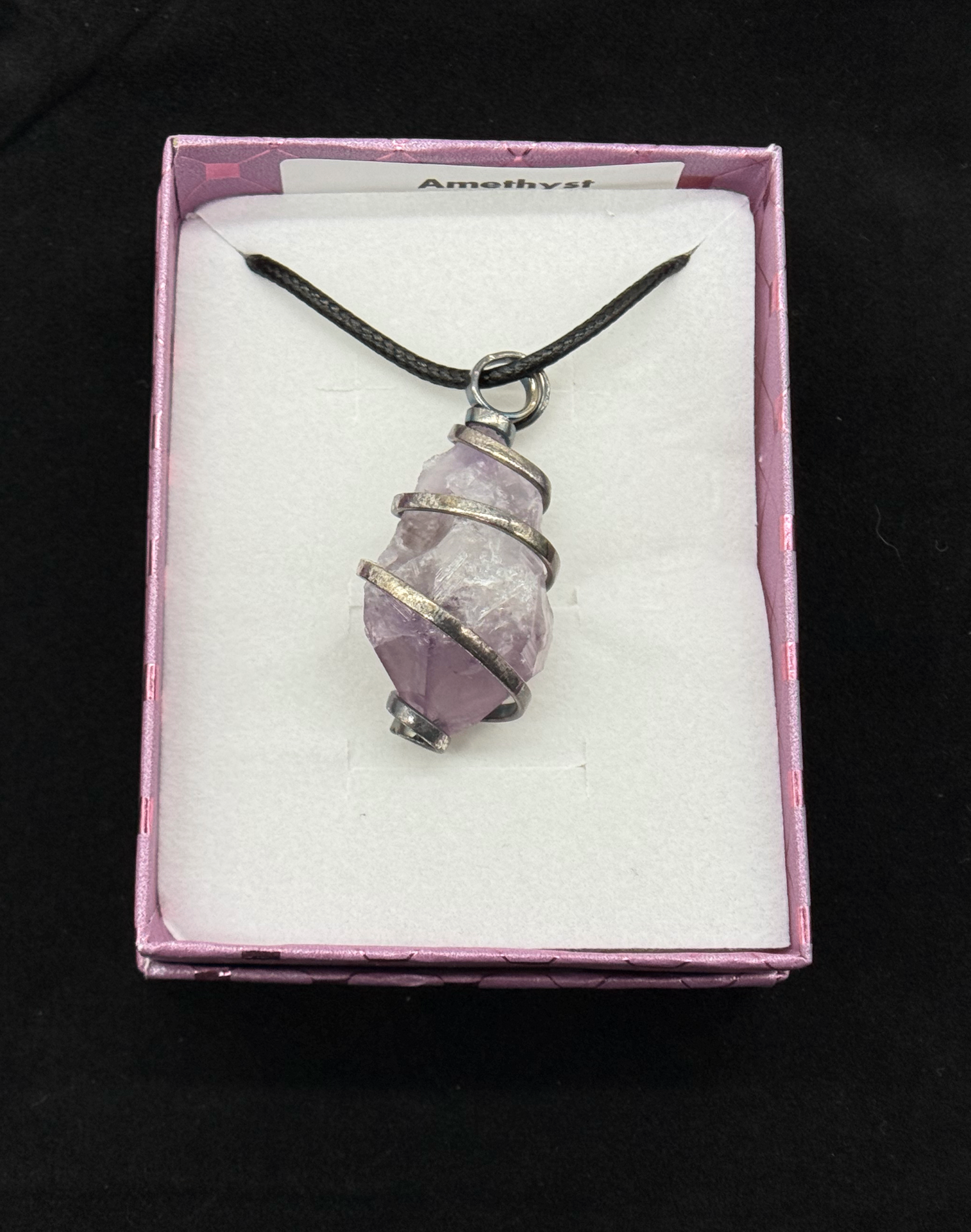
Good product photos are the difference between a listing that sells and one that gets scrolled past. The encouraging part is that most handmade jewelry does not need an expensive camera — it needs consistent light, a steady phone, and a few editing decisions that take under five minutes.
This is the same process we use in the studio for Etsy listings, social posts, and the gallery. You can do it on a kitchen table.
Use natural light, not overhead light
The best light source is a large window on an overcast day or a window with indirect sunlight. Hard midday sun creates blown highlights and black shadows. Cloud cover turns the sky into a giant softbox.
- Shoot between 10am and 2pm for the most even window light.
- Turn off every indoor light — mixed color temperatures make metal look yellow or blue.
- Use a white poster board or sheet as a reflector to bounce light back into shadows.
- Avoid flash. Phone flash flattens texture and creates harsh reflections on metal.
Build a simple backdrop
You do not need a light tent. A clean piece of white cardstock, a marble tile sample, a scrap of linen, or a dark slate board is enough. The goal is a surface that does not compete with the piece.
- White background — best for Etsy and catalog-style listings. Amazon and Etsy both prefer white or very light backgrounds for the main image.
- Textured neutral — linen, wood, stone — best for lifestyle and social shots.
- Dark matte — black velvet or slate makes silver and crystals pop.
Stabilize the phone
Camera shake is the main reason phone jewelry photos look soft. Prop the phone on a stack of books, a tripod, or anything level. Use the timer or a Bluetooth remote so you are not touching the phone when the shutter fires.
Focus and exposure
Tap the screen where you want focus — usually the front edge of the pendant or the clasp. Then swipe to darken the exposure slightly. Jewelry photos that are a touch underexposed keep more detail in shiny metal and bright stones; you can brighten later.
Shoot the angles buyers need
- Straight-on hero shot — the full piece centered and in focus.
- 45-degree angle — shows depth, setting, and stone height.
- Close-up detail — the clasp, the wrap, the engraving, or the stone pattern.
- Worn or scaled shot — the piece on a hand, wrist, or neck so buyers understand size.
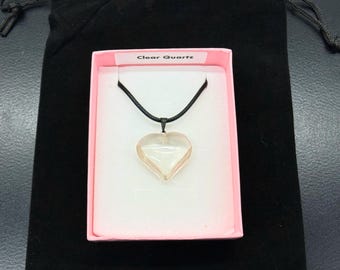
- Packaging shot — the item in its box, pouch, or gift-ready setup.
Edit with restraint
The goal is accurate, not dramatic. In any free editing app — Snapseed, Lightroom Mobile, or the built-in phone editor — make these small adjustments:
- Brightness — lift only until the background looks clean, not until the metal glows.
- Contrast — add a little to separate the piece from the background.
- White balance — neutralize yellow or blue casts so silver looks silver.
- Sharpness — a small bump, usually +10 to +20, cleans up phone softness.
- Remove distractions — crop out table edges, dust, and stray threads.
Avoid filters, heavy vignettes, and oversaturated colors. Buyers want to know what they are receiving.
One honest shortcut
If you sell on Etsy, use all ten photo slots. Lead with the clean white-background hero, then detail, lifestyle, scale, packaging, and process shots. The more questions your photos answer, the fewer messages you have to answer manually.
For more on selling handmade work, read where to sell handmade goods and why creators should not wait to start. To see how we photograph our own pieces, visit the gallery.
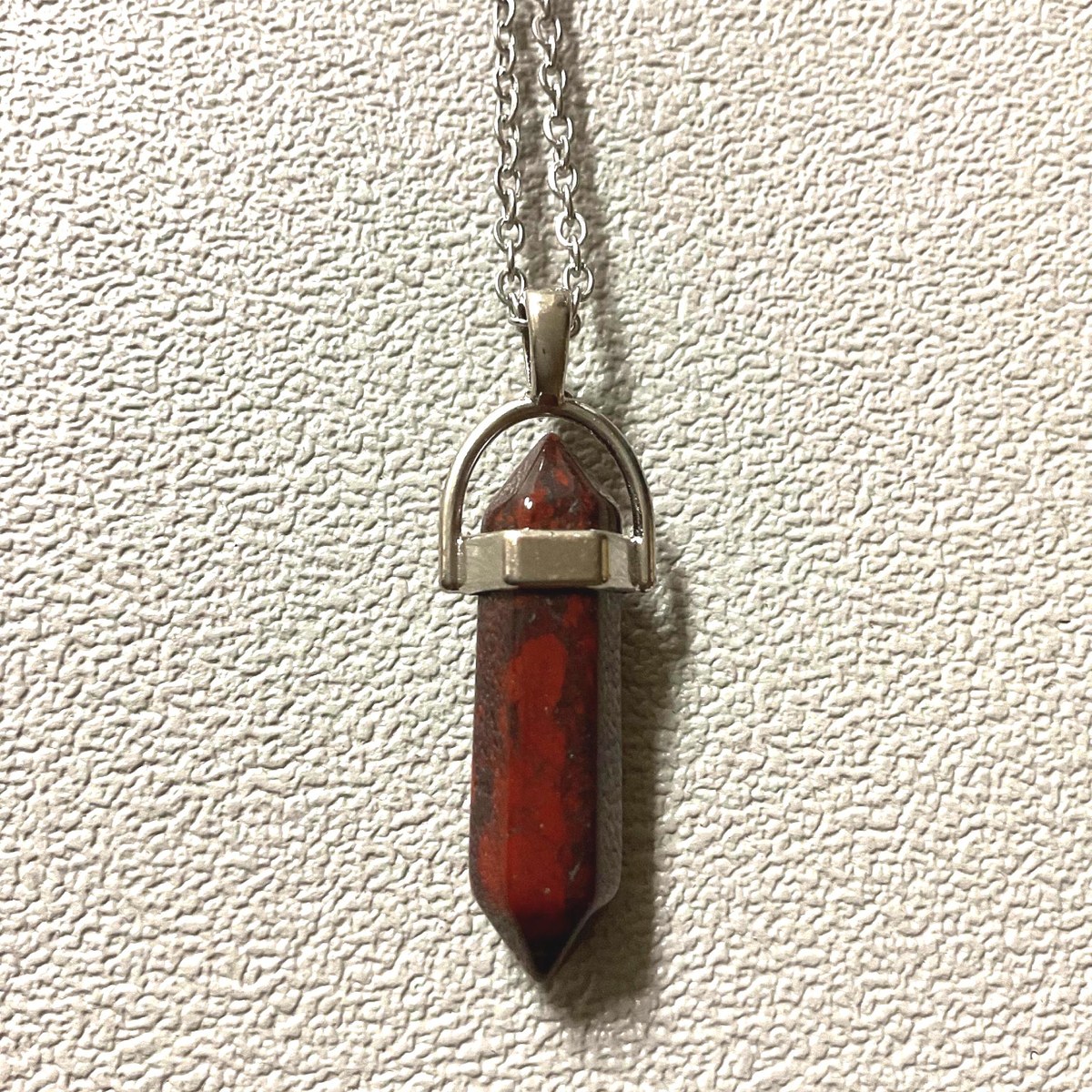
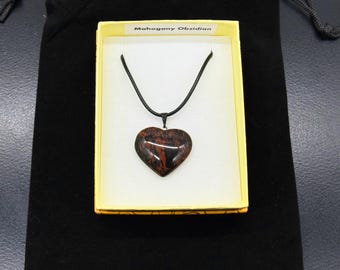
Featured pieces
From the studio
Hand-strung and finished in-studio. Every piece from our shop can be restrung or re-set at cost — just reach out.
Keep reading
Studio Notes
Where to Sell Handmade Goods: Online Platforms, Farmers Markets, and Pop-Ups
A maker's guide to selling: what each online marketplace really costs, how farmers markets and craft fairs work, and how to land a pop-up or wholesale spot.
Studio Notes
Why Creators Shouldn't Wait to Start Their Art
The best time to make art is before you feel ready. Why waiting costs more than beginning, and free tools, references, and communities to start with today.