
Styling & Wearing · Guide
How to Layer Necklaces Without Tangling: A Practical Styling Guide
Layer necklaces cleanly with lengths, weights, and clasp tricks that keep chains from knotting — styled for everyday wear and gift-ready sets.
By Robert Anthony · · 7 min read
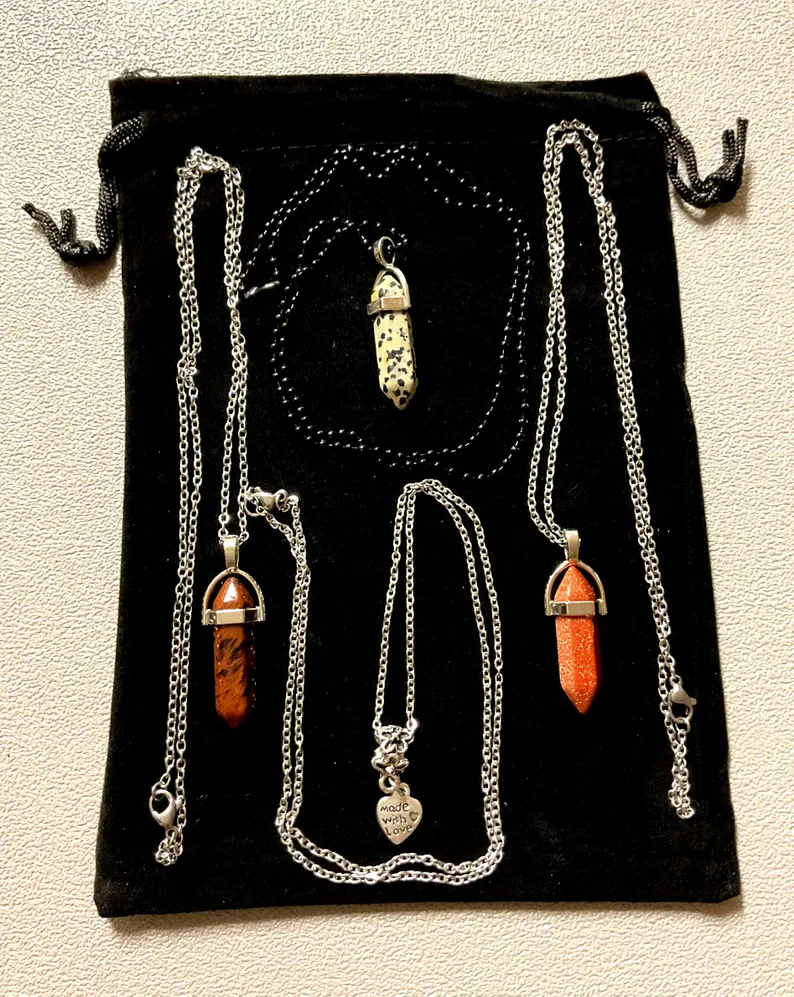
Layered necklaces look effortless, but anyone who has worn them knows the truth: chains twist, clasps migrate to the front, and by noon you are wearing one large knot. The fix is not avoiding layers — it is choosing the right lengths, weights, and small habits that keep each piece in its lane.
This guide works for the hand-strung stone pendants and dog tags we make in the studio, and for any chain necklace you already own.
Start with length, not pendant size
The single biggest cause of tangling is chains that sit too close together. A good layered stack needs at least a 2-inch gap between each necklace. A standard starting set is:
- Choker or princess length — 14 to 16 inches, sitting at the collarbone.
- Matinee length — 20 to 24 inches, falling at the top of the chest.
- Opera or rope length — 28 to 34 inches, sitting lower on the torso.
If you only own one length, a necklace extender is the cheapest upgrade you can buy. It turns a single chain into multiple wearing heights.
Weight order matters
Light, delicate chains move more than heavier ones. Put the lightest chain on top and the heaviest pendant on the bottom. The weight pulls the lower necklace down and gives the upper chains room to float instead of catching.
- Top layer: thin chain with a small charm or no charm.
- Middle layer: medium-weight chain with a modest pendant.
- Bottom layer: the heaviest piece — a dog tag, a larger stone point, or a thick rope chain.
Our necklace sets are designed with this in mind: each set mixes lengths and weights so the pieces stack without fighting each other.
Choose chains that behave differently
Similar chains tangle more easily. Mix textures so the surfaces do not slide into each other:
- Ball chain with a box chain
- Rope chain with a cable chain
- Wheat chain with a snake or curb chain
The texture difference creates friction that keeps each necklace in place. Two identical thin snake chains will find each other within an hour.
Clasp tricks that actually work
- Use a layering clasp. A small detachable clasp holds two or three necklaces at the back so they hang in parallel and cannot cross.
- Attach the clasp to the opposite end. Close the necklace, then hook the clasp through the last link on the same chain to shorten it without an extender.
- Add a drop of clear nail polish to the jump ring on a charm that keeps flipping — it adds temporary friction.
- Thread chains through one clasp. For a permanent layered look, put all chains on one shared clasp ring.
Put them on in the right order
Dress from the bottom up. Put the longest necklace on first, then the middle, then the shortest. Taking them off in reverse order prevents the top chain from falling through the others and knotting before you reach the jewelry box.
Storage between wears
Even a perfect stack will tangle if it is thrown in a drawer. See our jewelry storage guide for the full setup — the short version is hanging necklaces vertically or storing each one in its own soft pouch.
A simple starter stack from the studio
For an easy three-piece look, pair a short charm necklace, a mid-length stone pendant, and a longer dog tag. The charm stays high, the stone sits at mid-chest, and the dog tag anchors the stack. The mix of chain textures and pendant weights keeps everything separated.
If you are building a gift set, browse curated necklace sets or our custom laser engraving to personalize the bottom layer with initials, dates, or a design that matters to the wearer.
Featured pieces
From the studio
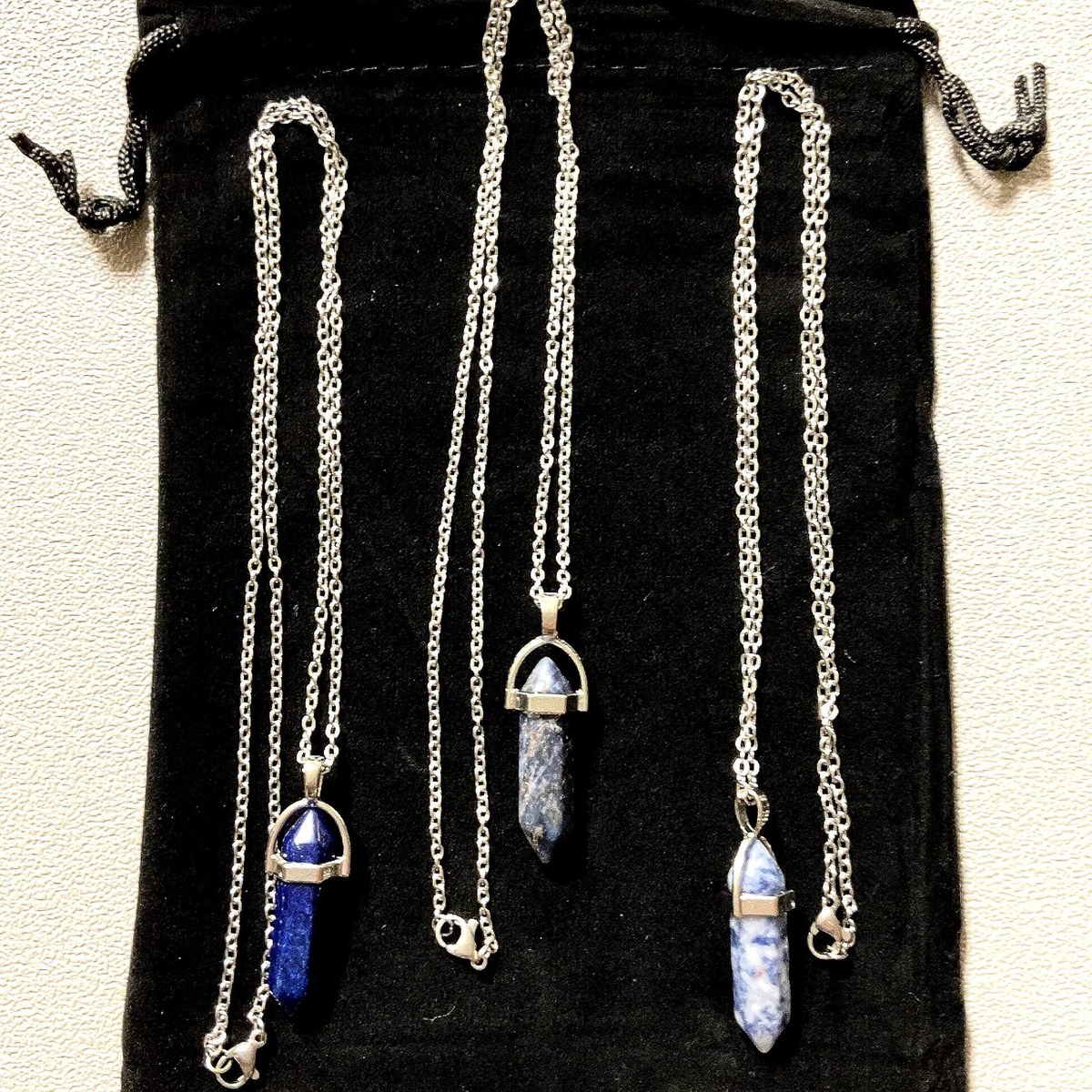
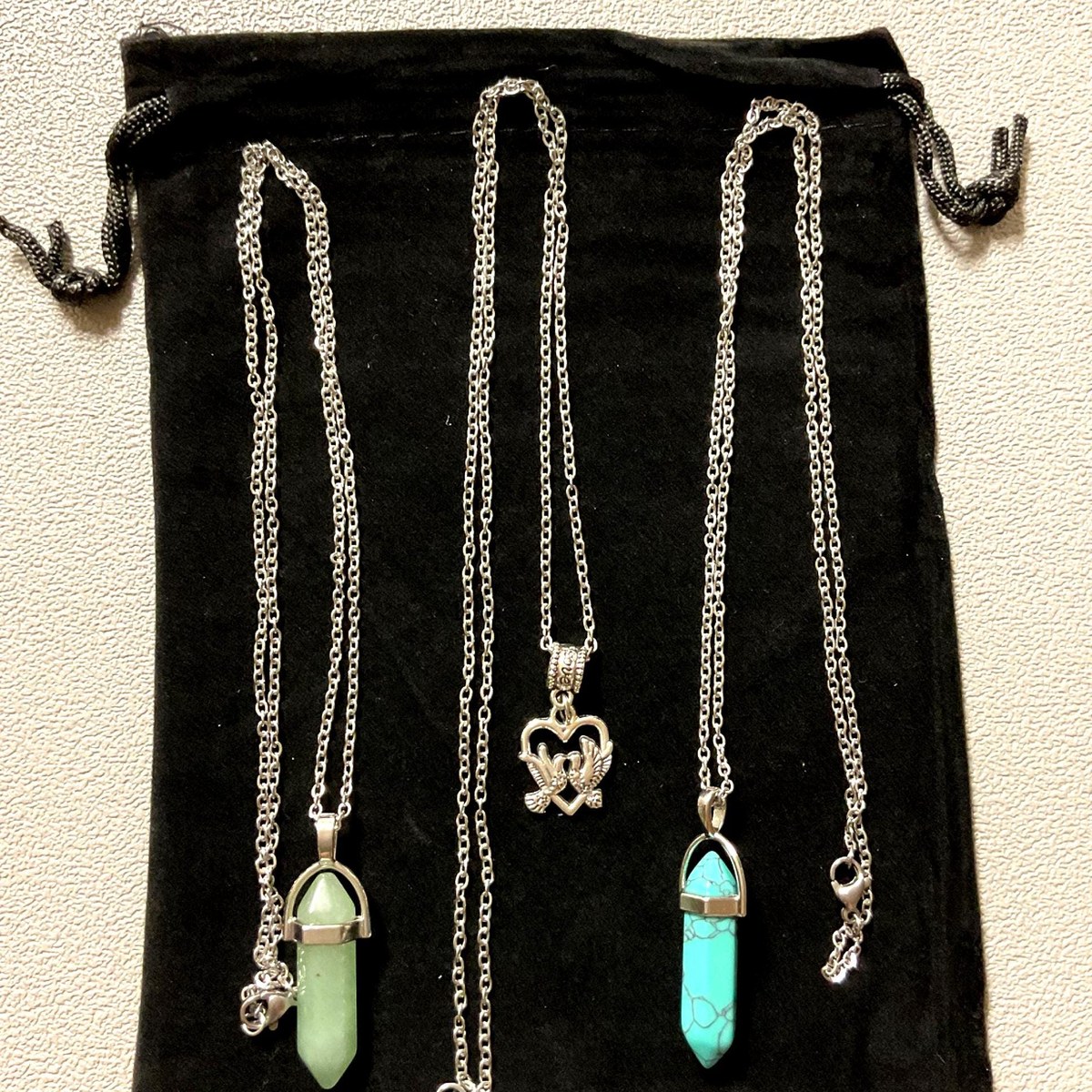
Hand-strung and finished in-studio. Every piece from our shop can be restrung or re-set at cost — just reach out.
Keep reading
Stone Care & Cleaning
How to Care for Natural Stone Jewelry: A Complete Guide
Clean, store, and protect natural stone jewelry — from amethyst to obsidian — with a jeweler-tested care guide built to last.
Stone Care & Cleaning
Storing Jewelry to Prevent Tarnish and Damage
The exact storage setup we recommend for stone pendants and metal chains — humidity, light, separation, and travel.
Gifting
Handmade Gifts for Men: Pieces They Actually Wear
Skip the generic tie clip. Find handmade gifts for men — from laser-engraved dog tags to stone pendants — that fit real style and daily wear.