Studio Notes · Guide
How Nonprofit Work Teaches You to Work With Clients and Build Long-Term Relationships
Volunteering your creative skills for nonprofits builds real client experience: listening, delivering under constraint, and turning one project into lasting work.
By Robert Anthony · · 8 min read
Most creators think of nonprofit work as a donation of time. It is. But it is also one of the safest, lowest-stakes ways to learn how to work with real clients before you ever send an invoice. Nonprofit teams have missions, budgets, deadlines, and stakeholders — just like paying customers. The difference is that the pressure is shared, the feedback is usually constructive, and the relationship often outlasts the project itself.
At Robert Anthony Art, volunteering design and laser engraving for local causes has helped us understand what organizations actually need, how to say yes to the right parts of a project, and how a single donated piece can lead to paid commissions, referrals, and long-term partnerships.
Why nonprofits are ideal practice clients
Nonprofits operate with constraints. They rarely have art directors, large budgets, or endless revision cycles. That forces you to ask better questions upfront, propose realistic solutions, and deliver something polished on the first try. Those are exactly the habits that make paid client work smoother.
- They value clarity over flash. A fundraiser needs a donor to understand the ask in two seconds. That teaches you to prioritize message over decoration.
- They measure impact. You learn to connect your work to outcomes — attendance, donations, awareness — instead of just aesthetics.
- They introduce you to boards and committees. One volunteer project puts your name in front of business owners, event planners, and grant reviewers.
- They remember reliability. Showing up on time, communicating clearly, and finishing what you start matters more than a perfect portfolio.
The client skills you build without realizing it
Every nonprofit project is a miniature client relationship. You scope the work, set expectations, handle feedback, manage a timeline, and deliver files or finished pieces. The skills transfer directly to paid creative work.
Active listening
A nonprofit director may describe what they want as "a nice logo for the gala." Your job is to ask what the gala is raising money for, who will see the material, and where it will be displayed. That habit of translating vague requests into concrete specs is the core of client work.
Scope discipline
It is easy to over-promise when you care about the cause. Nonprofit work teaches you to define what is included, what costs extra, and what the timeline actually allows. That protects both sides and keeps the relationship healthy.
Feedback navigation
Nonprofit committees mean multiple opinions. You learn how to present one strong direction, explain your choices, and make revisions without losing the concept. That is excellent preparation for corporate review cycles.
Documentation
Invoices are not the only records that matter. Keeping notes from calls, saving approved mockups, and organizing final files teaches professionalism. Future clients notice.
How one project turns into long-term opportunity
Nonprofit relationships compound. A volunteer who designs one event poster is often asked back for the annual report, the gala invitations, the donor gifts, and the social campaign. Each repeat project deepens trust and raises your perceived value.
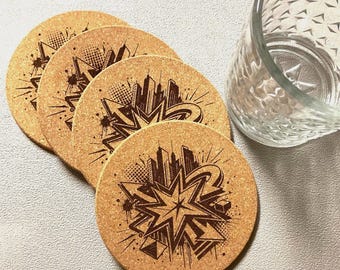
Those relationships also spill outward. Board members own businesses. Volunteers have day jobs. Attendees remember who made the beautiful etched coasters or the branded leather patches. When they need something similar, your name comes up first.
This is why volunteering your creative skills is not charity alone — it is networking with purpose. People remember the maker who showed up, solved a problem, and asked for nothing in return.
What to offer, and what to protect
Be generous, but be strategic. The best nonprofit partnerships are clear about what is donated and what could become paid work later. That clarity prevents resentment and sets up future conversations.
- Donate a defined deliverable. "I will laser engrave 50 donor gifts" is clearer than "I will help with the event."
- Keep usage rights clear. State whether the nonprofit can reuse the design, and under what terms.
- Document the retail value. This helps them report in-kind donations and helps you explain your rates later.
- Ask for attribution. A credit line, social mention, or link back to your shop is a fair exchange for donated work.
Free resources for getting started
You do not need a nonprofit connection to begin. These platforms match creators with organizations that need help, and several offer mentoring for the business side of creative work.
- VolunteerMatch — search local and remote nonprofit opportunities by skill.
- SCORE — free business mentoring, including help pricing creative services.
- Americans for the Arts — research, toolkits, and advocacy for arts-based nonprofits.
- Grants for small creative businesses in California — if you are local, funding sources can support community projects.
From volunteer work to a real studio
Robert and Angela built Robert Anthony Art around the idea that craft and community go together. The same laser engraving that produces a paid dog tag order can produce donor gifts for a local cause. The same eye for product photography that sells a pendant can document a nonprofit event.
If you are waiting until you feel "ready" for clients, nonprofit work is a way to start now. It gives you portfolio pieces, testimonials, and the soft skills that no tutorial can teach. Our article on starting before you feel ready expands on that idea — the short version is that doing the work teaches you faster than preparing for it.
And when you are ready to sell, turning personal sketches into wearable designs or launching a small boutique collection are natural next steps. The clients you met through nonprofit work may become your first customers — or your first collaborators.
Featured pieces
From the studio
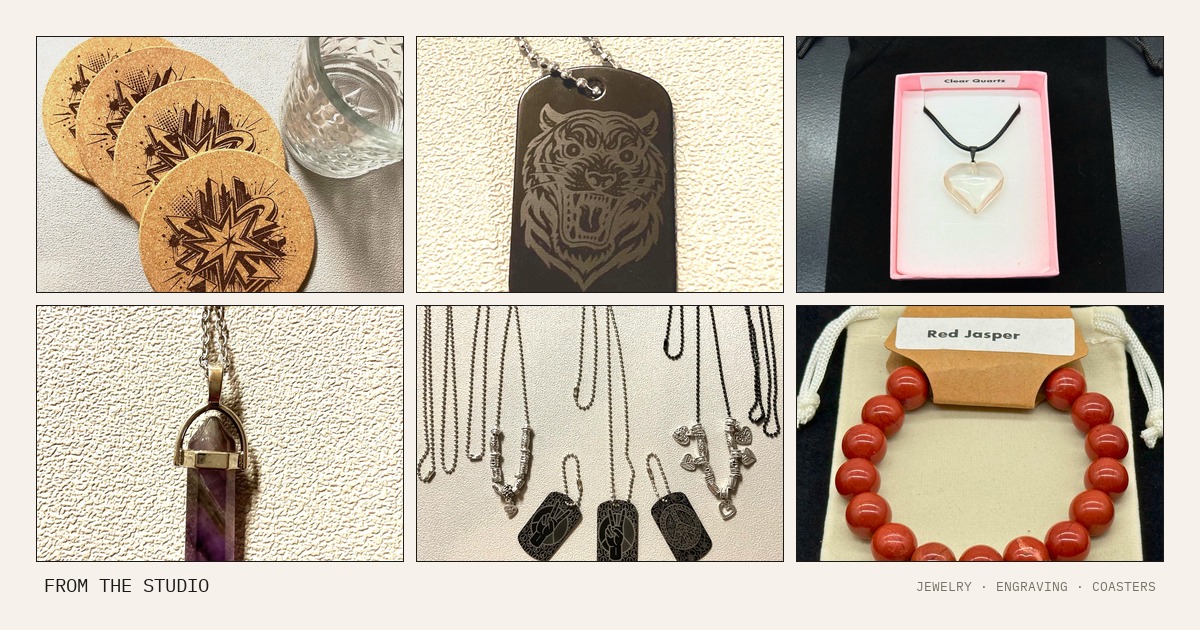
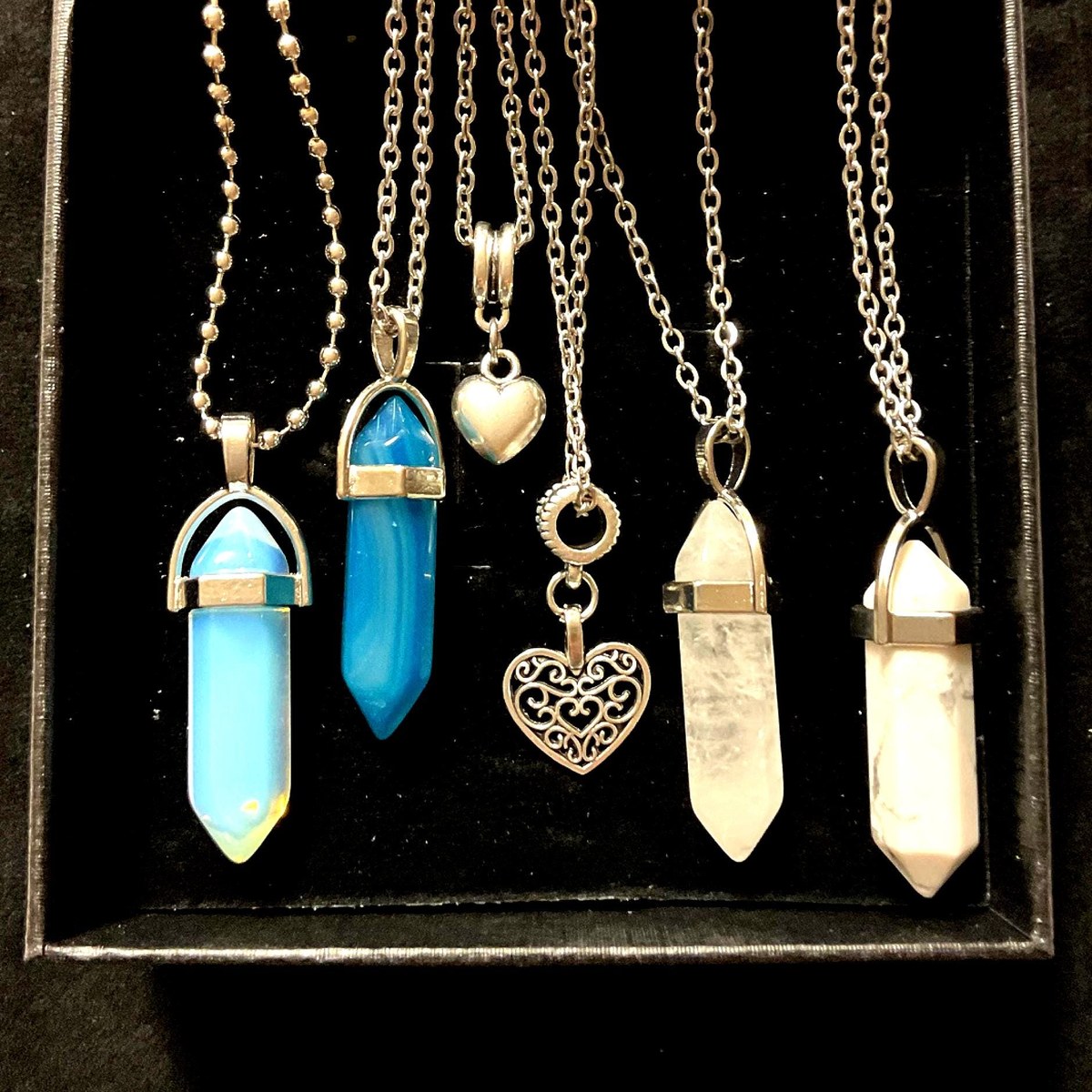
Hand-strung and finished in-studio. Every piece from our shop can be restrung or re-set at cost — just reach out.
Keep reading